

 Leonardo Coutinho

EXECUTIVE SUMMARY
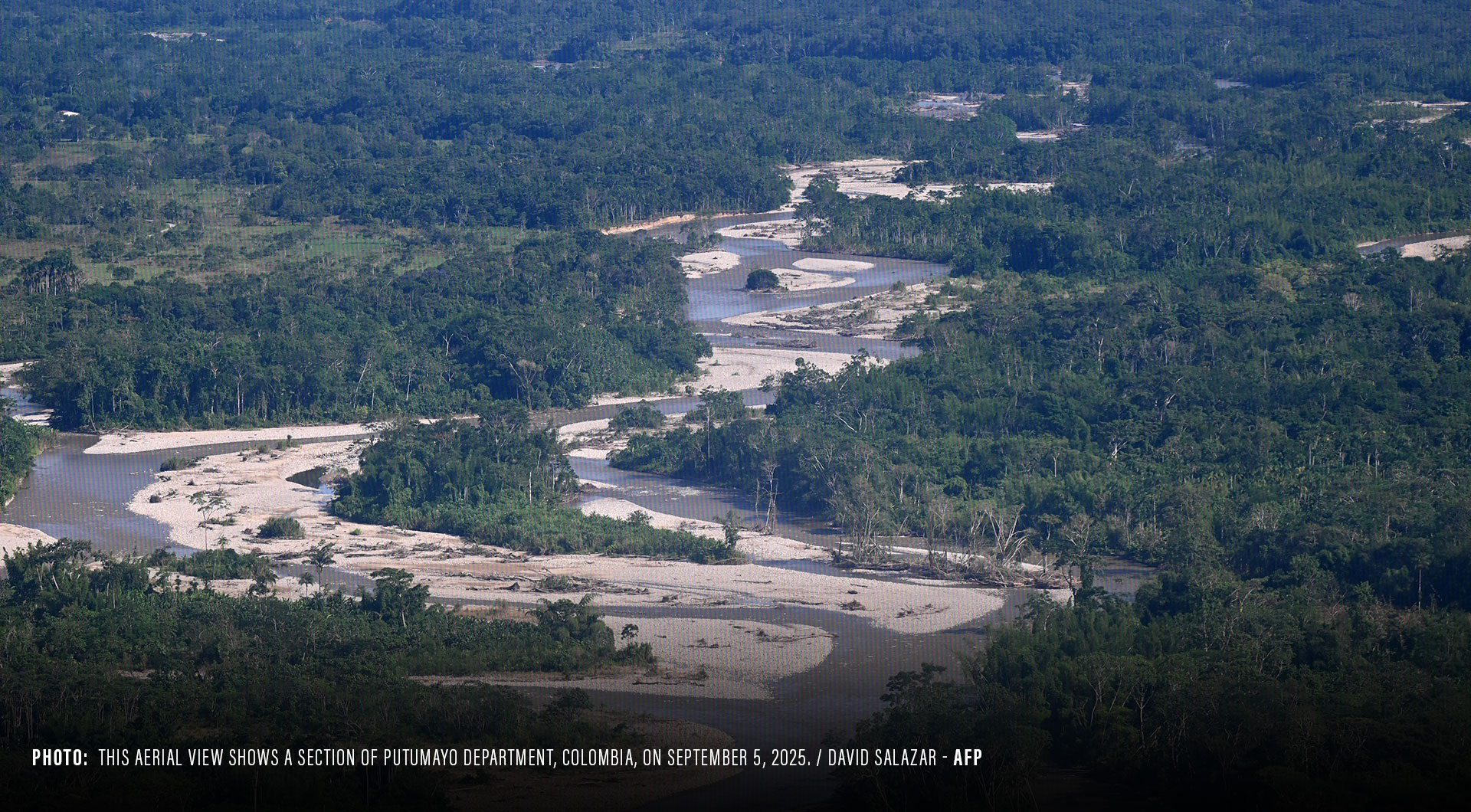
The Putumayo region, on Colombia’s southern border, has become the epicenter of the adaptation strategy of transnational criminal organizations and South American cartels. What makes Putumayo crucial is not only the scale of coca production in the region, but also its strategic utility as a backup corridor considering recent changes brought about by the actions of the U.S. Department of War in the Caribbean Sea.
Since the start of Operation Southern Spear, in the last quarter of 2025, drug traffickers have felt the squeeze on their drug trafficking routes through the Caribbean and the Pacific toward the United States. At the same time, the stabilization of Venezuela which began with the removal and arrest of dictator Nicolás Maduro in January 2026 represented a major blow to the drug trafficking logistics networks supported by the Chavista regime.
This combination forced the cartels and armed groups involved in cocaine production to redesign their routes, finding in the Putumayo region the ideal setting for logistical redundancy.
The clear signs that Colombia’s southern border has become the new super-route for drug trafficking involve three simultaneous factors: increased production and refining in the southern enclaves of Colombia, cross-border trafficking through the Colombia-Peru-Brazil tri-border area, and the Atlantic route via Amazonian rivers, river-sea ports, and increasingly sophisticated concealment structures.
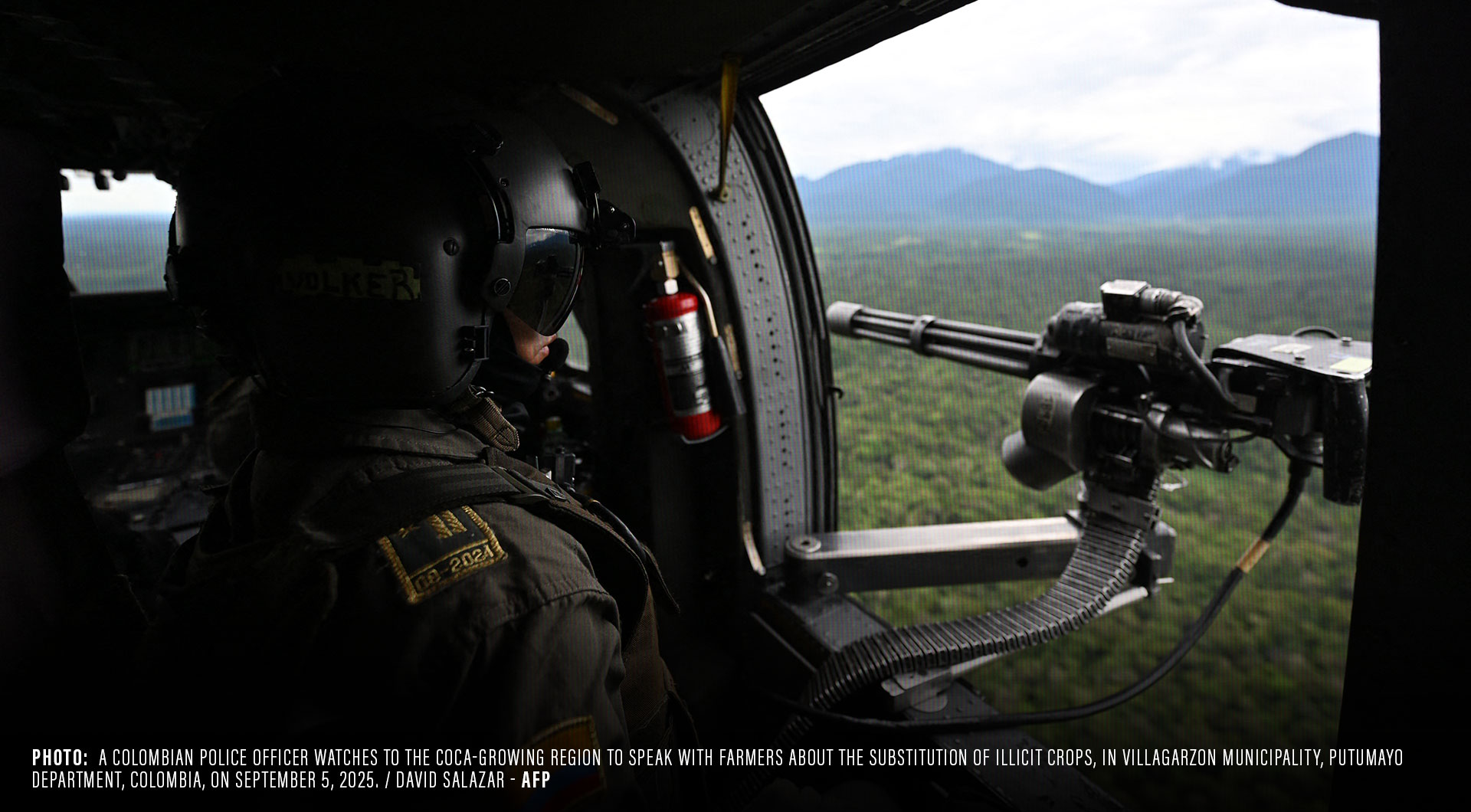 The emergence of the Putumayo region as a logistical alternative is neither coincidental nor temporary. In 2023, Colombia recorded 253,000 hectares of coca and a potential output of 2,664 metric tons of cocaine.
Within this context, the Putumayo-Caquetá region accounted for 56,933 hectares, or 22.5% of the national total, organized into two particularly significant enclaves: Orito-Vides and the Putumayo Border. In addition to the growth in coca production in the region,
Putumayo proved to be a key factor due to its geographic location: it serves as a gateway to two oceans—the Pacific via Ecuador and the Atlantic via the Amazon corridor.
The Putumayo region plays a strategic role in Amazonian drug trafficking routes. Less exposed than other trafficking corridors, it offers logistical alternatives capable of absorbing disruptions in neighboring areas and maintaining the flow of illicit goods.
In this area, FARC dissident groups, particularly the Comandos de la Frontera and the Frente Carolina Ramírez, compete with, and in some cases coexist alongside, Peruvian and Ecuadorian networks, Brazilian factions, and foreign intermediaries.
THE NEW SUPERHIGHWAY
Putumayo occupies a strategic position in the cocaine trafficking networks that link southern Colombia to Ecuador, Peru, and the Brazilian Amazon. The region is home to areas where the drug is cultivated, processed, and distributed, and it provides access to river and land corridors used to transport cocaine to international markets.
According to the Integrated System for Monitoring Illicit Crops (SIMCI), coca cultivation tends to be concentrated in areas near major trafficking routes, especially where state presence is limited and armed groups ensure territorial control and protection for illicit activities. Putumayo embodies these characteristics. In 2023, the Putumayo-Caquetá region recorded 6,933 hectares of coca cultivation, accounting for 22.5% of the area monitored by the system.
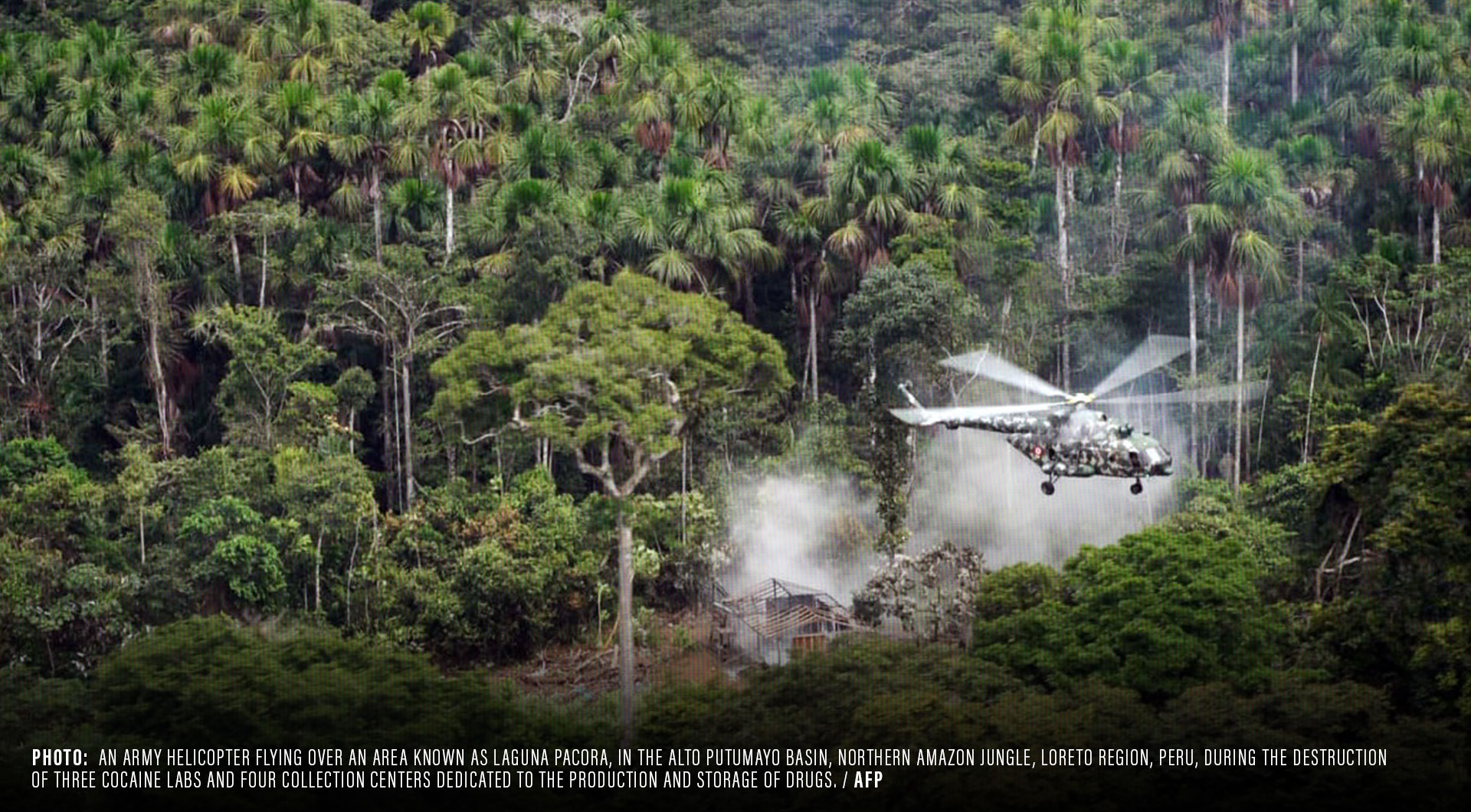
The effects of the “super route” can be measured by the string of record cocaine seizures by European authorities. In January 2026, Spain reported finding 9,994 kilograms (22,033 lb) of cocaine hidden in a salt freighter from Brazil.
The Cameroonian-flagged vessel United S likely received the cocaine shipment while anchored at an Amazonian port in the state of Pará in December 2025.
In May 2026, another shipment this time weighing 30 metric tons was intercepted by authorities off the coast of Western Sahara. A cargo ship flying the Comoros flag was intercepted with the largest cocaine shipment ever seized in the Atlantic.
Investigations revealed that the cargo was loaded in Sierra Leone, a country that has established itself as a transshipment hub for shipments from South America. The operational pattern is consistent with previously documented routes: small cargo ships depart from Freetown, following nearly identical routes to North Africa, where the cocaine is transferred to speedboats and shipped on to Europe.
Overall, the Arconian case is not an isolated incident but part of an established transatlantic corridor through which cocaine is shipped from Brazil.
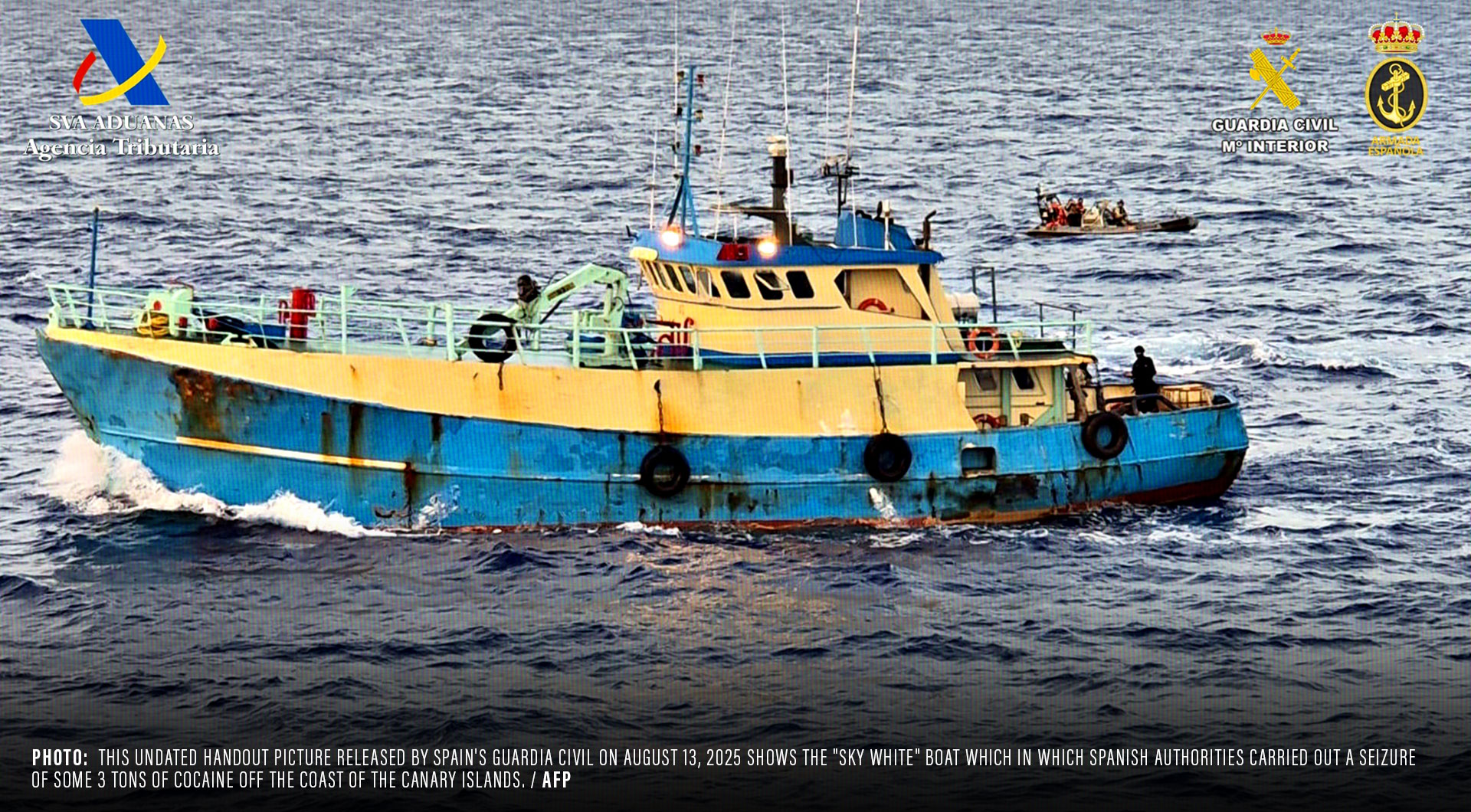 The Putumayo corridor does not replace the other routes used by South American drug traffickers. Its main function is to expand the options available for transporting cocaine and reduce dependence on specific corridors.
The dynamics observed in the region suggest that criminal groups seek to maintain multiple transportation alternatives, adjusting their flows to changes in the security environment. Under this logic, the Ecuadorian Pacific coast remains the primary export route; the Caribbean continues to be subject to high levels of international surveillance; and Venezuela, which for years served as a relatively protected transit area, has become subject to greater operational uncertainties.
In this context, Putumayo has gained importance by connecting the production areas of southern Colombia both to the Pacific, via Ecuador, and to the Brazilian Amazon and the river corridors leading to the Atlantic.
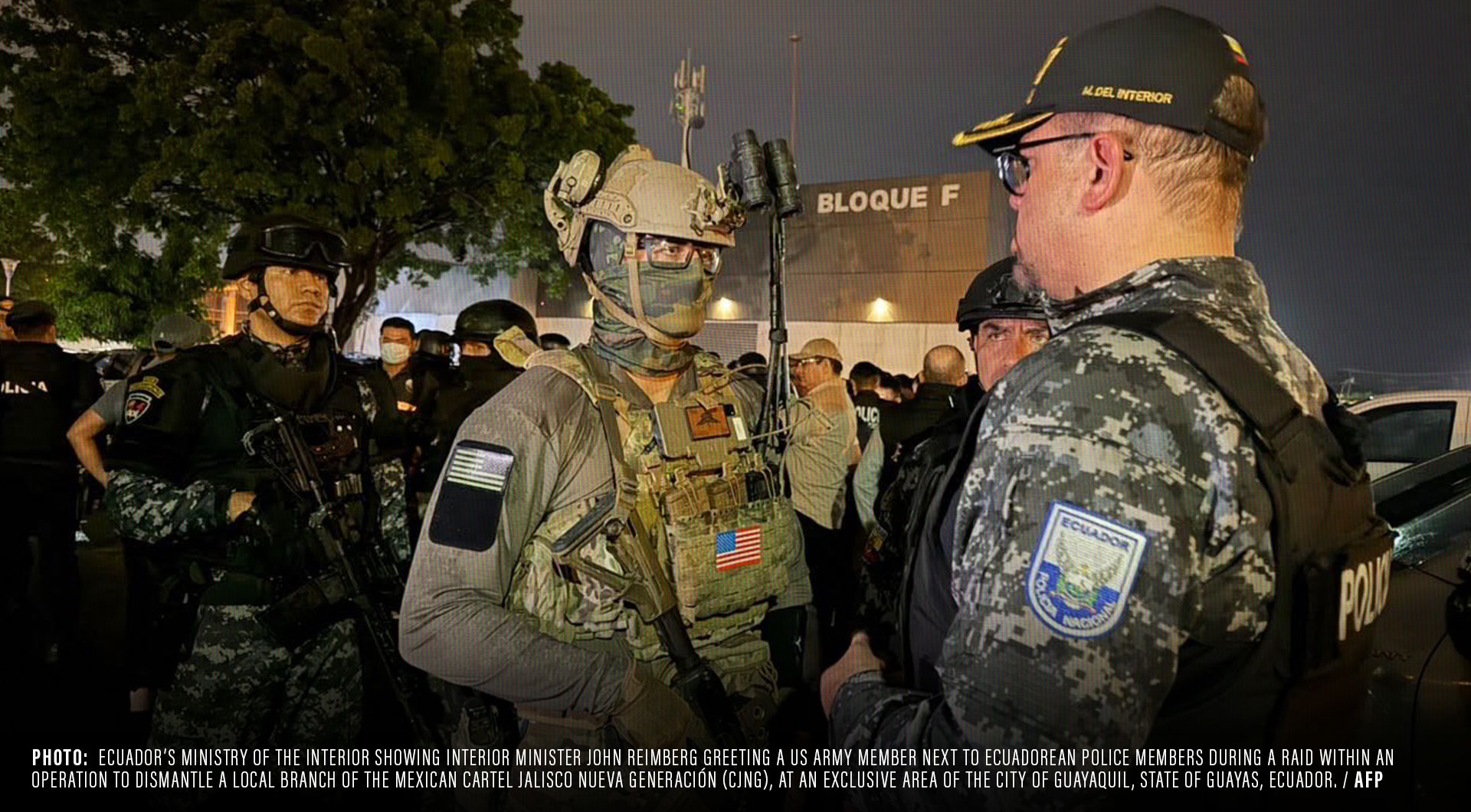 The United States and Ecuador have expanded their security cooperation in 2026, combining intelligence sharing, joint investigations, and coordinated military and maritime operations against drug trafficking networks.
In March, the FBI established its first permanent office in Ecuador to support investigations into narcotics trafficking, money laundering, arms smuggling, and terrorist financing. Cooperation has also extended to maritime interdiction. In August and September, U.S. forces, working in coordination with Ecuadorian authorities, intercepted vessels identified by U.S. Southern Command as logistical support platforms for Los Choneros in the Eastern Pacific.
These operations reflect a more integrated approach to disrupting criminal networks, targeting not only cocaine shipments but also the infrastructure and support systems that sustain trafficking. Their longer-term effectiveness will depend on sustained intelligence cooperation and the ability to prevent criminal organizations from shifting operations toward less-monitored corridors.
THE IMPACTS OF A COCAINE SUPERHIGHWAY
The primary impact is environmental. In 2023, 48% of Colombia’s coca crops were in special management zones, and 47% of the deforestation recorded between 2022 and 2023 occurred in the same areas where coca cultivation is concentrated.
In the Colombian Amazon, assets linked to environmental crimes account for 12% of the total identified, compared to 3% nationwide, suggesting a closer association between drug trafficking, deforestation, and other illicit economies. In Putumayo, this phenomenon can be observed in areas such as La Paya National Natural Park, where the expansion of coca cultivation and the activities of armed groups have increased pressure on indigenous communities and protected ecosystems.
The effects are not limited to the loss of forest cover. According to the SFS’ study Invisible Contamination: Cocaine and Chemical Inputs Associated with Its Production in Colombia’s Drinking Water, cocaine production causes widespread water contamination from fuels and chemical precursors discarded during the drug’s processing. The study estimates that this process affects more than 567 billion liters of water per year in Colombia. The contaminants are carried by river systems and reach watersheds that supply urban centers far from the cultivation areas.
The second impact relates to governance. In the most isolated areas of the forest, armed groups have begun to assume roles that should belong to the state. They determine who is allowed to move about, collect fees, intimidate local leaders, and impose rules of conduct on communities.
Under these conditions, the occasional presence of security forces has limited impact. When approximately 150 armed men enter Yurilla and La Florida, confine communities, and cut off communications, they are not merely conducting a military operation. They are demonstrating who wields local power.
In Yurilla and La Florida, in the municipality of Puerto Leguízamo, the struggle for control of the river corridors resulted in large-scale incursions carried out by illegal armed groups. According to the Defensoría del Pueblo, armed men imposed lockdowns, restricted residents’ movement, and cut off communications, affecting indigenous and riverside communities in the region.
The incident highlighted not only the operational capacity of these groups but also their power to control territory and shape daily life in areas where the state’s presence remains limited.
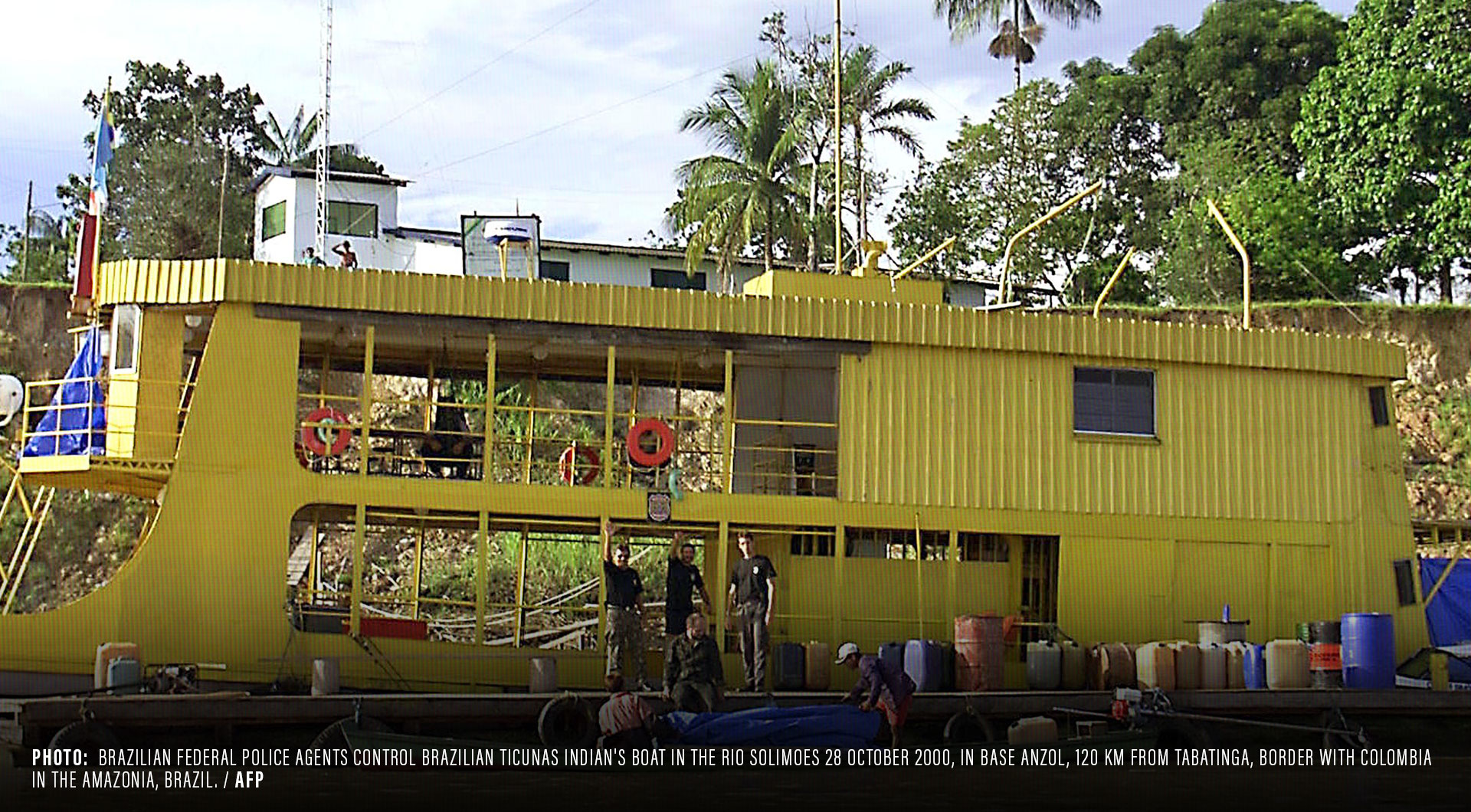 The third impact is the spillover of violence into Brazil. The strengthening of the Putumayo-Amazon corridor as a logistical alternative for international drug trafficking has increased the strategic importance of Brazil’s Amazonian rivers and borders, attracting the involvement of criminal factions interested in controlling the flow of cocaine to the Atlantic.
According to the 4th edition of Cartographies of Violence in the Amazon, the region has established itself as a transnational criminal ecosystem, marked by the expansion of the Comando Vermelho (CV), the presence of the PCC, and the growing dispute over trafficking corridors, markets, and territories. In this context, the violence affecting Brazilian Amazonian municipalities is not an isolated phenomenon, but rather part of the same logistical and criminal chain that connects the cocaine-producing centers of the Andes to global markets.
This distinction applies especially to the Canárias–Belém/Barcarena case. The proven fact is the seizure of 9,994 kilograms of cocaine in January 2026 on a ship coming from Brazil. What has not been confirmed by an official source is that the cargo specifically departed from Belém or Barcarena.
The most consistent public record indicates Fortaleza as the ship’s last recorded Brazilian port of call. Therefore, this incident should be used as evidence of a Brazilian Atlantic trafficking route, not as irrefutable proof of a specific origin in the state of Pará. The difference may seem minor for a headline, but it is decisive for serious intelligence analysis.
Brazil represents a critical vulnerability in the emerging Putumayo cocaine superhighway. Despite being the world’s second-largest national cocaine consumer market and the birthplace of two powerful criminal organizations identified as narco-terrorist threats by the Shield of the Americas—Primeiro Comando da Capital (PCC) and Comando Vermelho (CV), which control significant territories directly or through local affiliates—Brazil remains outside both the Shield of the Americas and the U.S.-led Americas Counter Cartel Coalition.
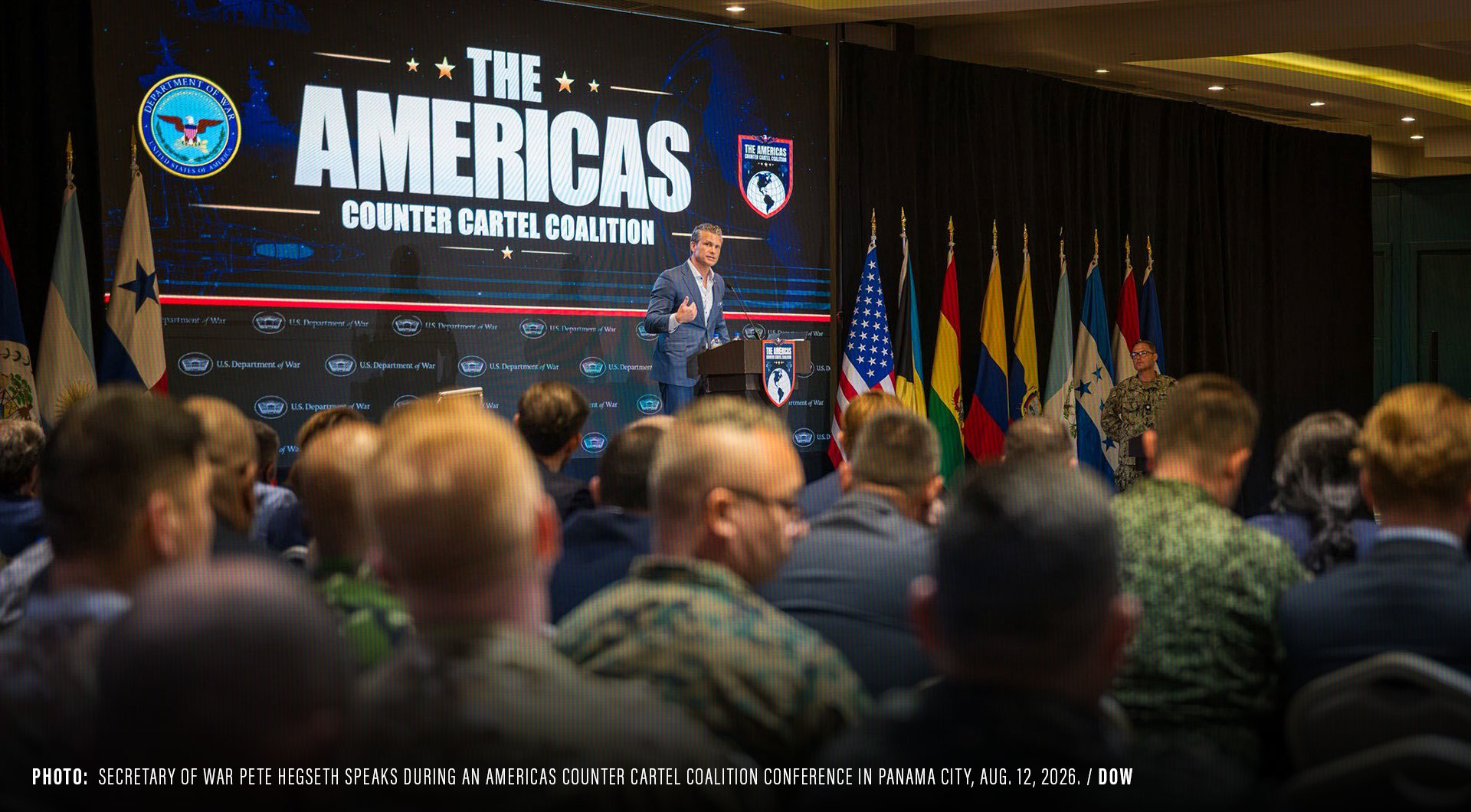 Brasília maintains that its security institutions are capable of confronting organized crime without foreign aid, while President Lula’s reelection in October 2026 is likely to reinforce his administration’s resistance to these regional security initiatives. Yet Brazil is an indispensable link in the Putumayo trafficking corridor.
As coordinated anti-cartel operations increasingly constrain traditional trafficking routes, criminal networks have strong incentives to shift their operations toward less-monitored territories, positioning the Brazilian Amazon as an increasingly important gateway to Atlantic export routes through ports in northern and northeastern Brazil.
The consequences could be severe: escalating violence, accelerated environmental degradation, growing threats to Indigenous communities, and the further empowerment of Brazilian criminal factions as they capture greater profits from international cocaine trafficking networks. Without effective regional coordination, Brazil risks becoming the principal Atlantic outlet for an increasingly sophisticated and resilient transnational cocaine supply chain.
RECOMMENDATIONS
The most effective response is not “greater presence” in the abstract; it is the right presence, in the right place, with the right structure.
THE FIRST STEP IS TO CREATE A PERMANENT INTELLIGENCE CELL FOR THE PUTUMAYO–SOLIMÕES CORRIDOR. bringing together the Federal Police, the Brazilian Navy, the Colombian Navy, the National Police (PNP), state law enforcement units from Amazonas and Pará, as well as customs and financial intelligence agencies.
The bilateral protocol between the Federal Police and the Colombian Navy, signed in January 2026 with support from UNODC, already provides an institutional foundation for this; the problem is that today, cooperation still appears more as a series of successful operations than as a continuous analytical network. We need to transform these exchanges into persistent monitoring of targets, vessels, operators, front companies, and cargo patterns.
THE SECOND STEP IS TO TREAT PORTS AND THE ATLANTIC COAST AS PART OF THE AMAZONIAN THEATER, NOT AS A SEPARATE PHASE.
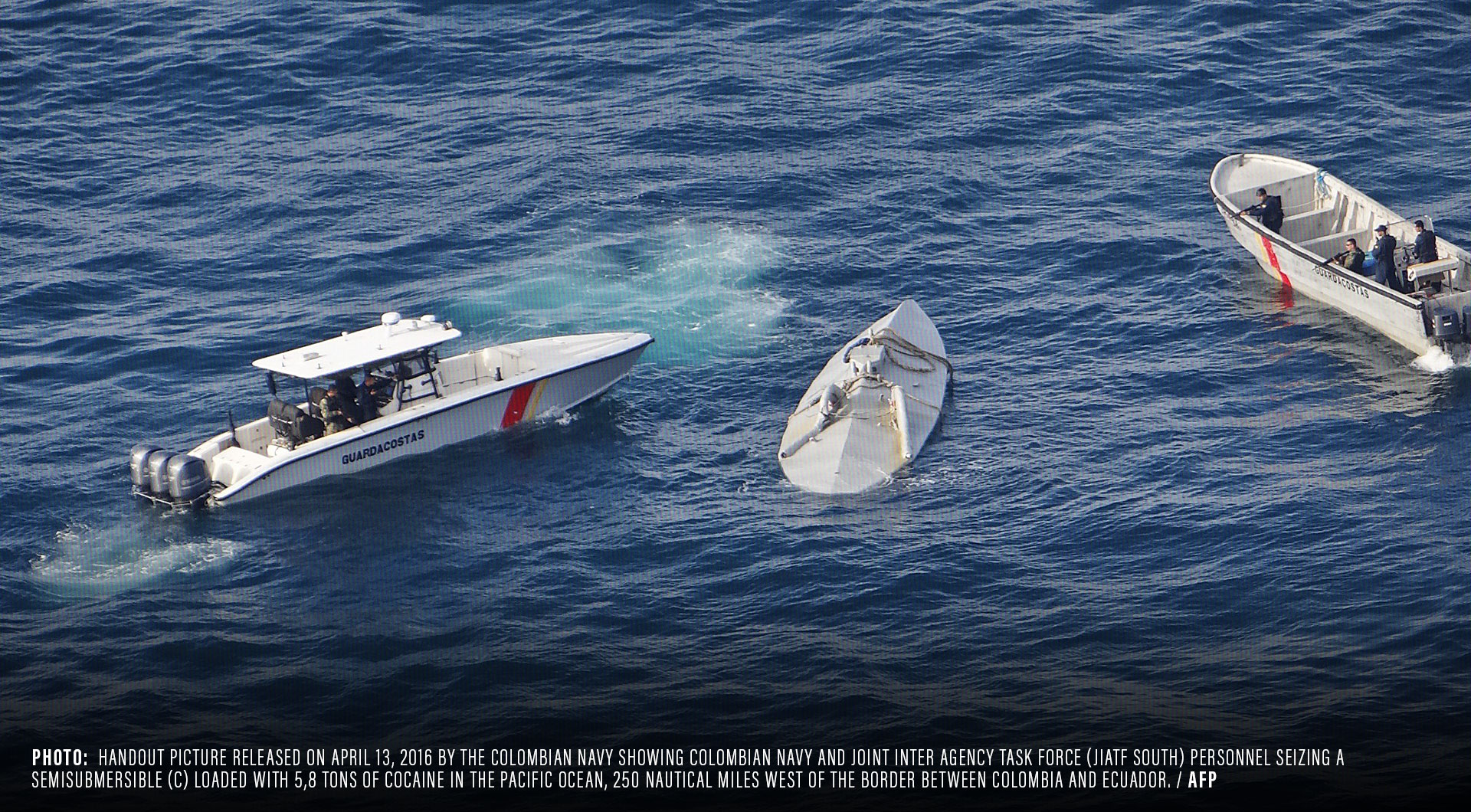
This involves strengthening risk profiles in Belém, Barcarena, Vila do Conde, Santarém, Santana, and other relevant hubs; integrating riverine intelligence with port intelligence; conducting data-driven, intrusive inspections of cargo prone to concealment; monitoring of vessels with low registration transparency and flags of convenience; and the systematic use of satellites, sensors, and AIS analysis to detect anomalous patterns, as was already done in the case of the Marajó semisubmersible. The lesson is obvious: if the corridor reaches the sea, interdiction cannot stop at the river’s edge.
THE THIRD STEP IS TO MAKE THE AMAZON-ATLANTIC MARITIME INTERDICTION A PRIORITY. It is not enough to patrol rivers; rivers, estuaries, and the ocean must be linked within a single operational framework.
The Spanish seizure of the United S and the Arconian case show that Europe remains a plausible final market for very large shipments, while the EUDA continues to describe cocaine as the second most widely consumed illicit drug on the continent. The recommendation, therefore, is to expand cooperation mechanisms with MAOC-N, Europol, Iberian customs authorities, and coast guards along the Atlantic coast, in addition to intensifying the tracking of supply chains originating in northern Brazil.
THE FOURTH STEP IS TO SHUT DOWN THE OPPORTUNISTIC AIR CORRIDOR. The Ramón Castilla incident showed that helicopters and clandestine airstrips remain relevant for the cross-border segment.
This requires low-signature surveillance, greater use of geospatial intelligence, and integration with information on unregistered airstrips, especially at the interface between Loreto, Putumayo, Caquetá, Alto Amazonas, and western Brazilian Amazonas. The literature on the shift from air to water has not eliminated the air component of the problem; it has merely made it more selective, more localized, and, for that very reason, more difficult to detect without detailed intelligence.
THE FIFTH STEP IS TO RECOGNIZE THAT THE PUTUMAYO CORRIDOR IS, FIRST AND FOREMOST, A REGIONAL SECURITY ISSUE.
Armed groups and criminal networks vie for control of rivers, communities, clandestine airstrips, and transshipment points that connect the Andean Amazon to the Atlantic. Regaining control over the Putumayo corridor requires more than intercepting cocaine shipments or disrupting individual criminal groups. It demands sustained territorial control, cross-border intelligence cooperation, and the ability to identify and disrupt alternative routes before traffickers can exploit them.
The central challenge is not simply to close a trafficking corridor, but to reduce the capacity of criminal networks to continuously adapt and relocate their operations.
The emergence of the U.S.-led Shield of the Americas in 2026 provides a new framework for addressing the transnational networks operating across the Putumayo corridor. The coalition’s September declaration identifies FARC dissident groups, Brazil’s Primeiro Comando da Capital (PCC), and Comando Vermelho (CV) among 24 criminal organizations targeted for coordinated action, including financial sanctions, intelligence sharing, and law enforcement cooperation.
With Colombia, Ecuador, and Peru participating in the initiative, the Shield offers an opportunity to strengthen coordination along critical segments of the trafficking network.
However, Brazil’s absence from the coalition highlights a significant challenge: disrupting cocaine flows through the Amazon and toward the Atlantic will require cooperation that extends beyond the initiative’s current membership.


