


 KEY POINTS
- Narcoterrorism is not new. The delivery system is. The term dates to Peru in the early 1980s, and Pablo Escobar was bombing airliners decades ago. What has changed is the convergence of the crime-terror playbook with a digital cultural apparatus of narcocorridos, TikTok aesthetics, and influencer-style propaganda that industrializes recruitment and legitimization.
- Culture feeds recruitment and legitimacy, and both feed operational capability. Cartel propaganda supplies foot soldiers and ex-military trainers; intimidation, religion, and generosity buy community acceptance. Each cycle returns money, manpower, and normalized violence that regenerate the culture itself.
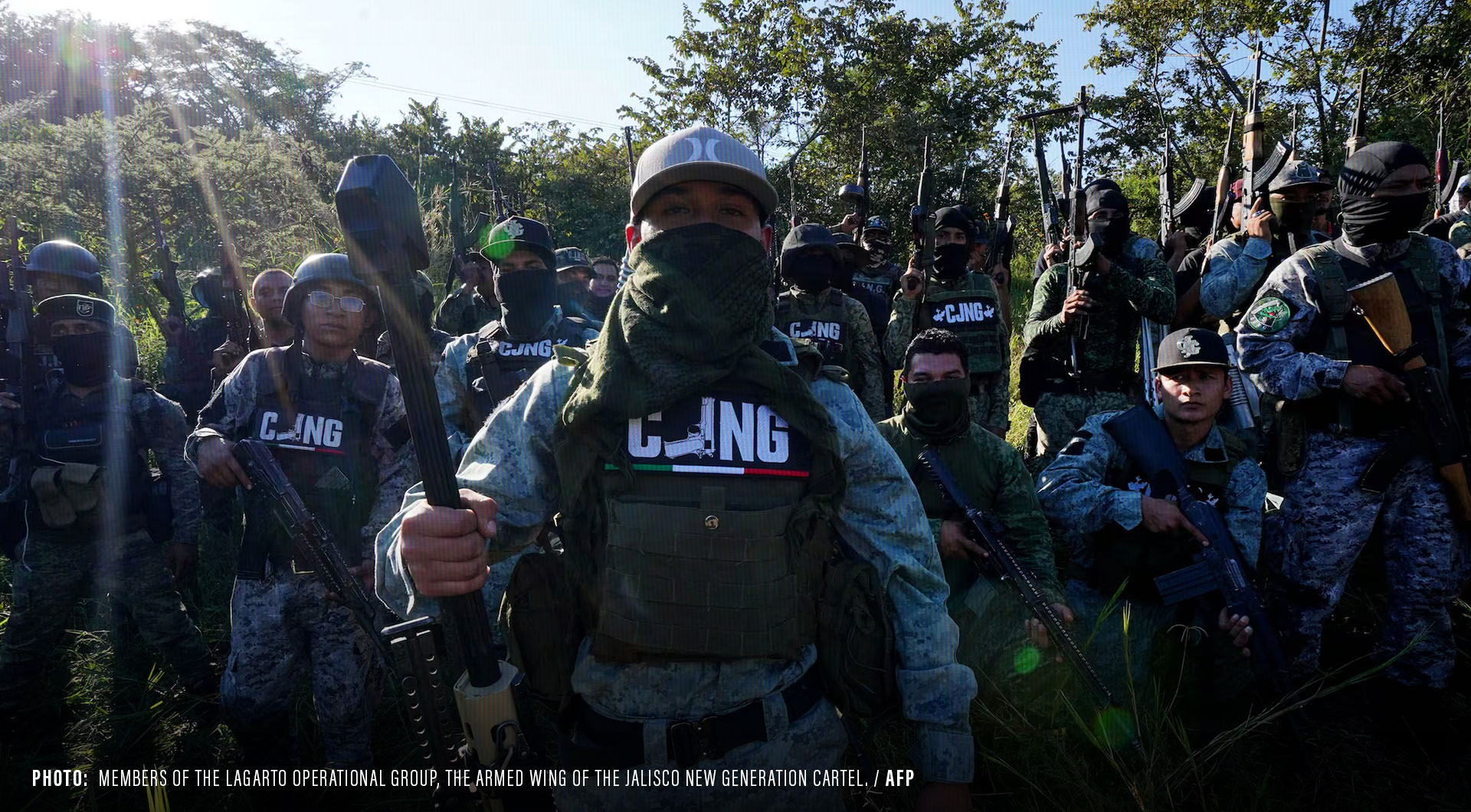
- Mexico shows cartels competing with the state for legitimacy. The Jalisco New Generation Cartel (CJNG) distributes toys and Christmas dinners stamped with its rooster logo in open defiance of the government, while narcomantas and execution videos enforce fear.
- Venezuela is the limit case. The state handed legitimacy over. PIn the San Vicente sector of Maracay, Tren de Aragua (TdA) governed through a legally registered foundation, Fundación Somos El Barrio JK, which distributed the government’s own subsidized CLAP food boxes, ran community kitchens, and received publicly reported ministerial visits, according to Transparencia Venezuela.
- Decapitation has outpaced strategy. The U.S. Treasury designated TdA a transnational criminal organization in July 2024, the State Department designated it a foreign terrorist organization in February 2025, and Héctor Guerrero Flores, alias Niño Guerrero, was killed in a joint U.S.-Venezuelan operation in Bolívar state in June 2026. No comparable investment has been made in reoccupying the cultural and social space the organization governed.
EXECUTIVE SUMMARY
In June 2026, a joint United States and Venezuelan operation in Bolívar state killed Héctor Guerrero Flores, alias Niño Guerrero, the leader of Tren de Aragua and, until his 2023 escape, the pran who ran Tocorón prison as a corporate headquarters. The strike followed a rapid designation sequence and closed a manhunt that began when Guerrero slipped out of Tocorón ahead of the September 2023 raid. It did not close the question that matters most.
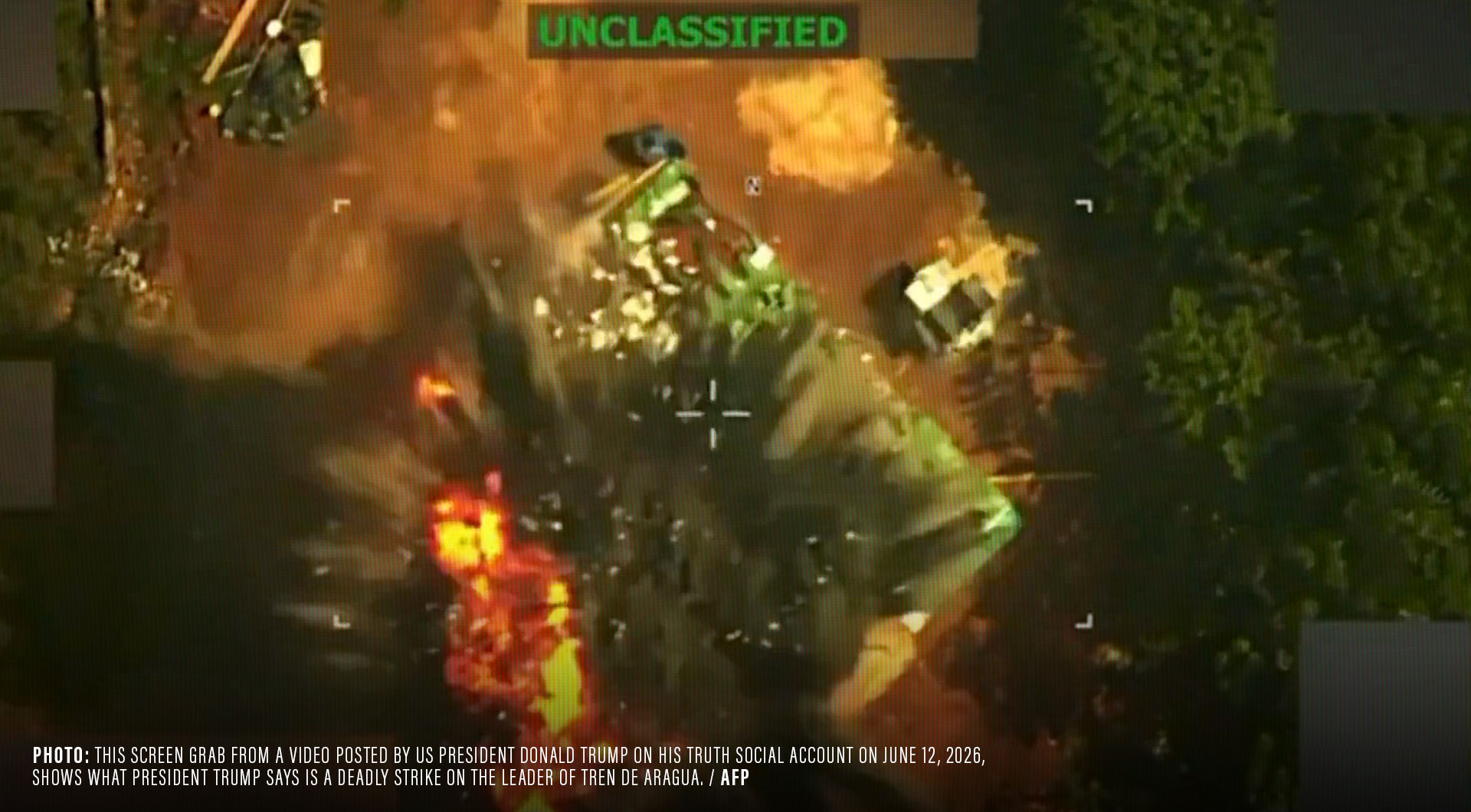 That question is what happens to the communities the organization governed. TdA did not rule San Vicente, a sector of more than twenty barrios in southern Maracay, by fear alone.
It ruled through a legal foundation that fed people, cleaned streets, provided security, and administered the state’s own subsidy programs. Killing the leader does not repeal that experience. A population that learned to eat from a criminal administration does not unlearn it because the administrator is dead.
This report argues that narco-culture, the ecosystem of narcocorridos, social media spectacle, narcomantas, criminalized religion, and patronage, is an instrument of power rather than a byproduct of crime.
It examines how that culture drives recruitment and legitimization in Mexican cartel cases, presents the Venezuelan case of San Vicente as the model’s limit case, and draws the security implications for a hemisphere that has become proficient at decapitation and remains unprepared for what follows it.
AN OLD THREAT WITH A NEW DELIVERY SYSTEM
The lineage of narcoterrorism runs through Peru’s coca valleys in the early 1980s, where the term was coined, and through Escobar’s bombing campaign against the Colombian state. The phenomenon is not new. The delivery system is.
What distinguishes the present period is the fusion of that older crime-terror playbook with a cultural production machine that reaches millions of young people daily, at near-zero cost, in their own idiom.
 The standard objection arrives quickly. Cartels want money, not political change, and therefore the terrorism frame distorts more than it explains. Criminal and terrorist organizations do not occupy fixed categories; they move along a spectrum, borrowing from each other’s methods as circumstances allow.
When a cartel detonates a drone over a political rally, hangs banners declaring war on the state, or films executions for distribution, it is using violence to alter the behavior of governments and populations.
The motive may remain profit. The method is terrorism.
One definitional distinction must precede the case material. Gangs and cartels are not the same animal. Maras such as MS-13 are territorial extortion structures rooted in neighborhood identity; cartels are transnational trafficking enterprises with paramilitary capabilities and international supply chains.
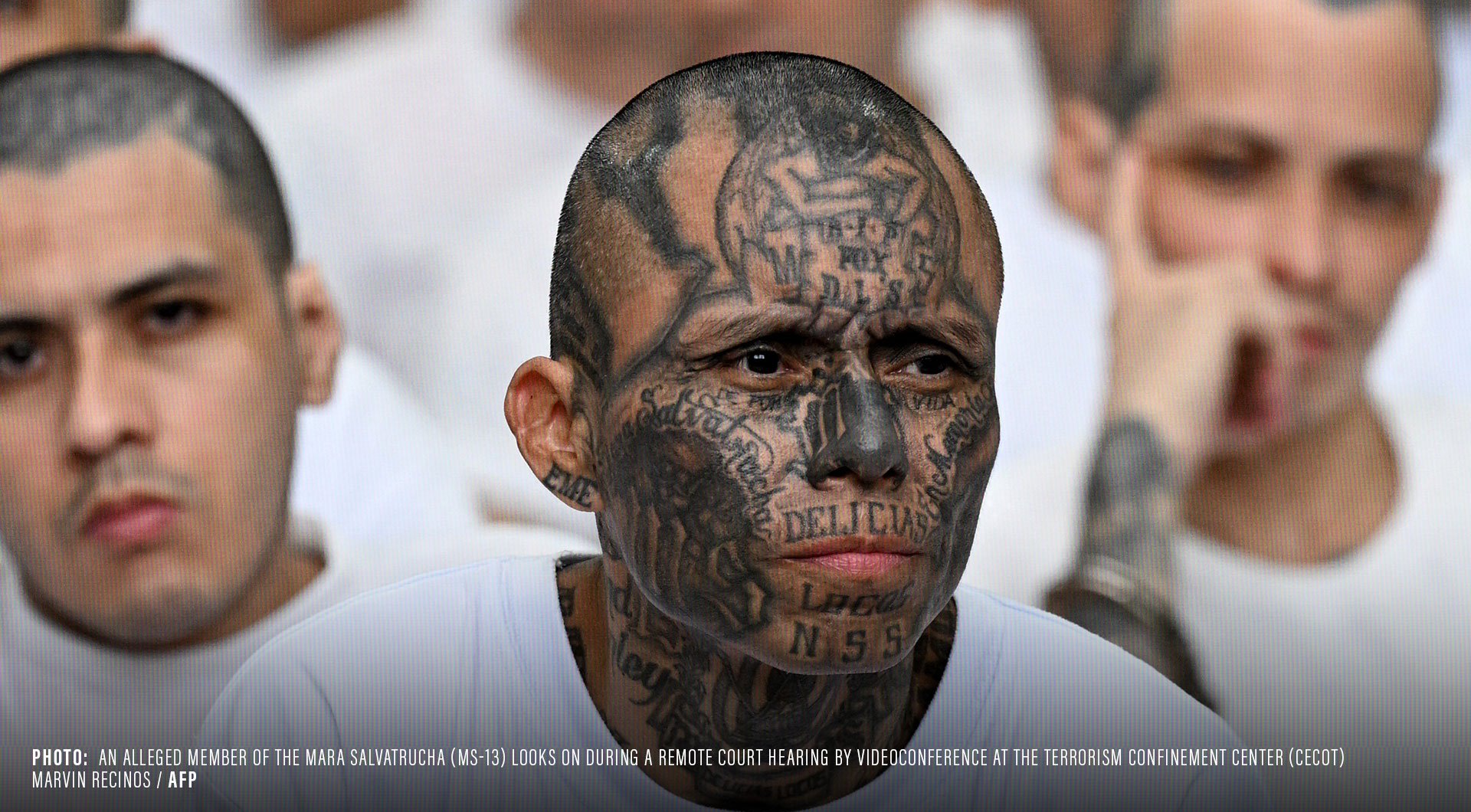 President Nayib Bukele’s mass-arrest campaign in El Salvador, conducted under a state of exception since 2022, targeted maras. Whatever one concludes about its methods and human rights costs, its results do not automatically transfer to cartel contexts, where the adversary is richer, better armed, and not confined to the barrio where it was born.
THE MACHINE: CULTURE, RECRUITMENT, LEGITIMACY
The mechanism described in this report can be held in one hand. Narco-culture produces two outputs. It recruits by making the criminal life legible and desirable to the young and the trained. It legitimizes by wrapping the organization in fear, faith, and generosity until communities accept it as a governing fact.
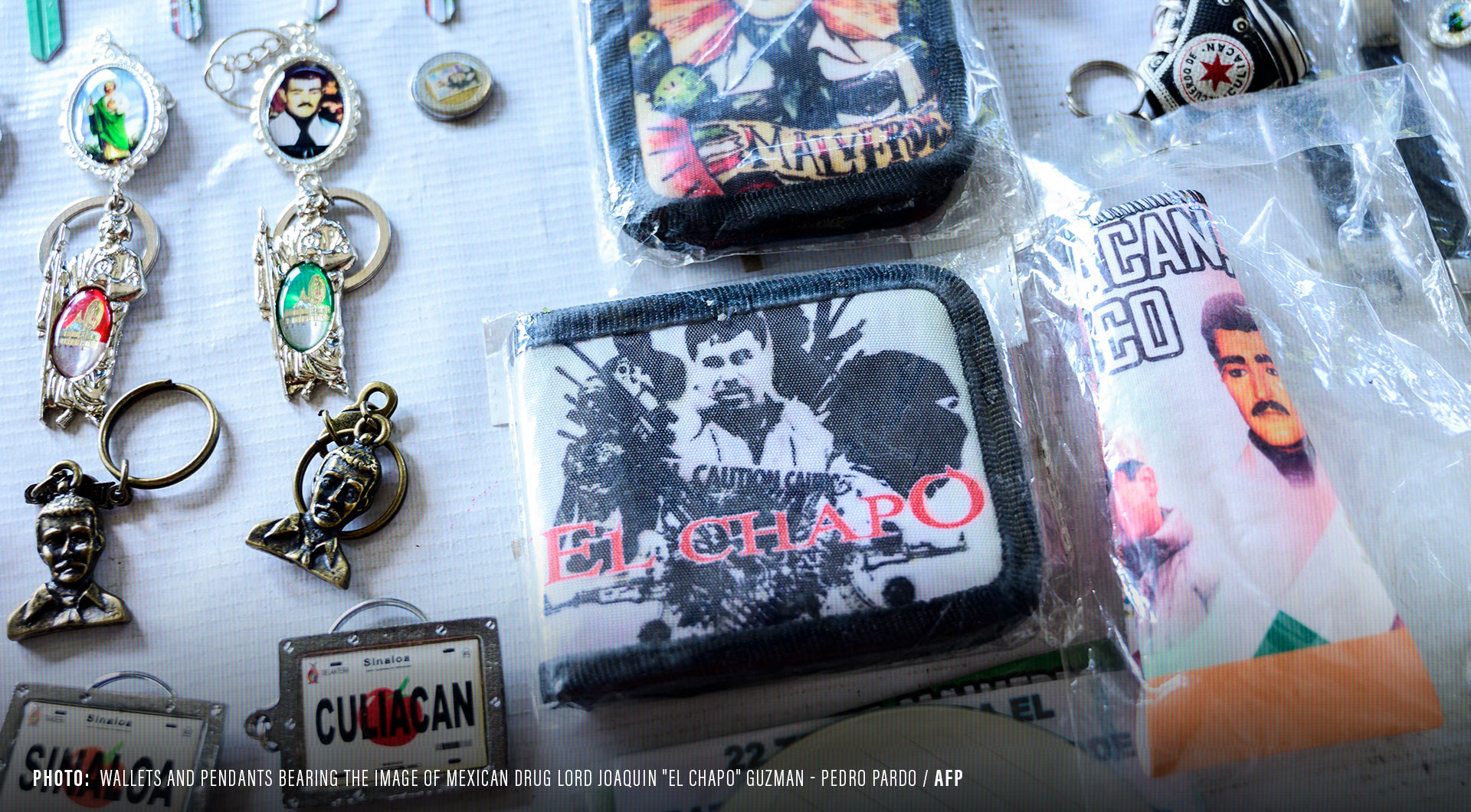 Both outputs feed operational capability, and capability feeds back into the culture, because every convoy video, every corrido commission, and every stamped gift box is financed by the proceeds from the last cycle.
MEXICO: COMPETING WITH THE STATE FOR LEGITIMACY
Recruitment at Scale
Mexican cartels have become sophisticated publishers. On TikTok, whose user base skews precisely toward the adolescents cartels seek, regional press reporting documents two recurring genres.
The first is adrenaline content, high-speed chases, and firefights that romanticize life on the edge. The second is wealth display, stacks of hundred-dollar bills, sports cars, and gold-plated rifles. Alongside the spectacle, fake job offers promising sums no licit employer in an impoverished municipality can match.
The two genres work together, presenting the cartel life as thrilling, romantic, and materially rewarding to audiences who see none of those qualities in their lawful prospects.
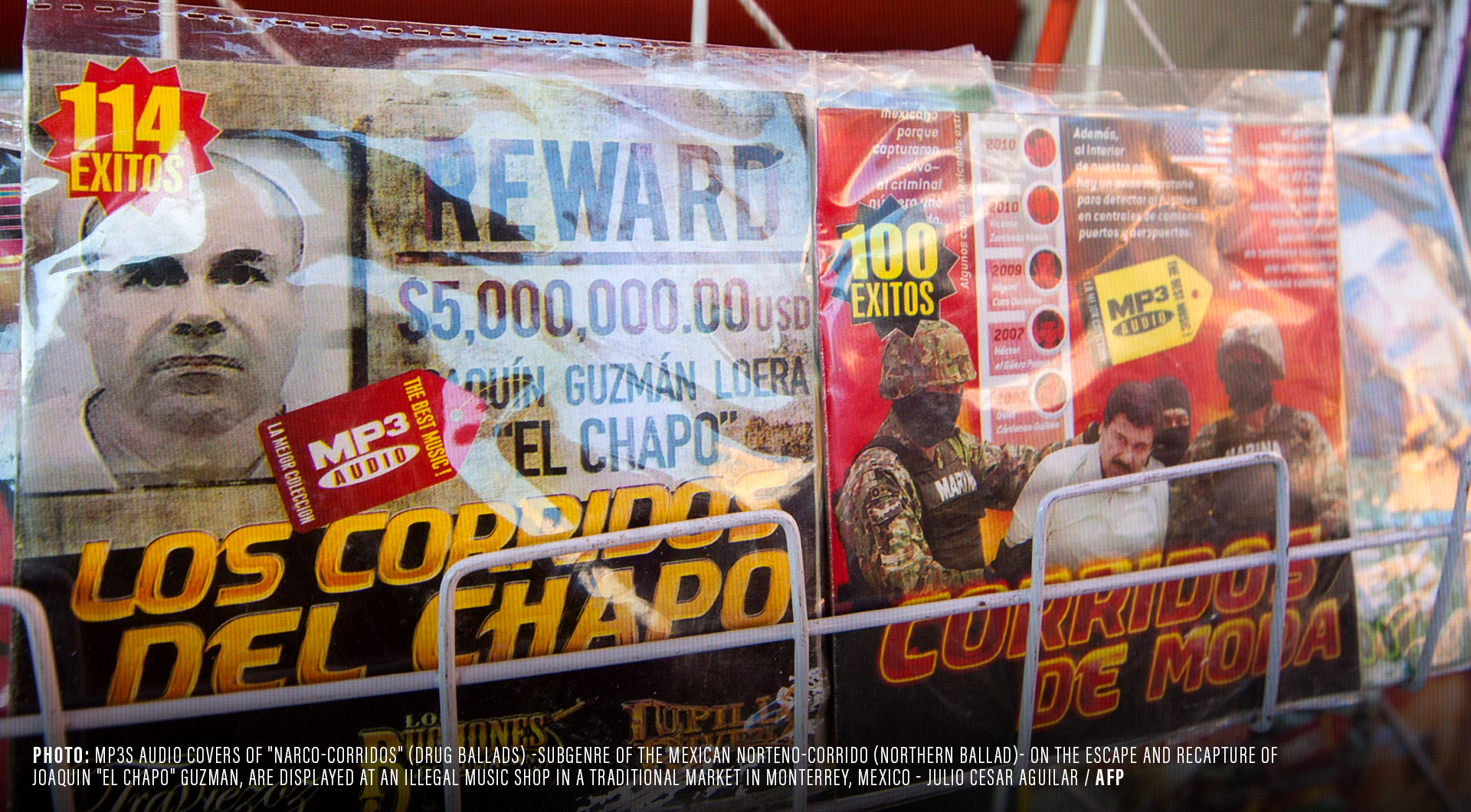 Off-platform, narcocorridos perform the same function in ballad form, building an entire worldview around the trafficker’s life and normalizing it across generations. Criminalized religion completes the recruitment triad.
Devotion to unrecognized figures such as Jesús Malverde, cast as a Robin Hood, and Santa Muerte supplies a counterfeit moral high ground, and cartel-financed churches and schools convert that piety into visible community standing.
A second recruitment stream targets trained soldiers rather than teenagers. Press reporting on Colombian veterans describes open recruitment through social media and WhatsApp, aimed largely at men between 22 and 42 whose income falls by roughly half at retirement and who face no credible civilian off-ramp. Informal travel agencies coach them on how to reach Mexico and make contact.
 Once inside, many are compelled, at times at gunpoint, to train hitmen in military weapons, explosives manufacture, and the placement of anti-personnel mines. The culture recruits the boys. The wages recruit professionals. Together, they produce a force many regional police services are not equipped to meet.
Legitimacy by Fear, Faith, and Gift
The first instrument is intimidation. Narcomantas, propaganda banners hung in public spaces, communicating to rivals, governments, and residents simultaneously. One banner attributed to CJNG and reproduced in the Mexican regional press declared war between generals, not, in its phrase, “cardboard hitmen,” naming its targets and daring the state to intervene.
Execution videos circulated online extend the same message; regional reporting on the filmed killing of Fernando Guerrero described it as a calculated communication aimed at rivals, informants, and critics.
The parallel with jihadist media practice, from battle banners to ISIS execution films, is structural rather than incidental. Both traditions understand spectacle as governance.
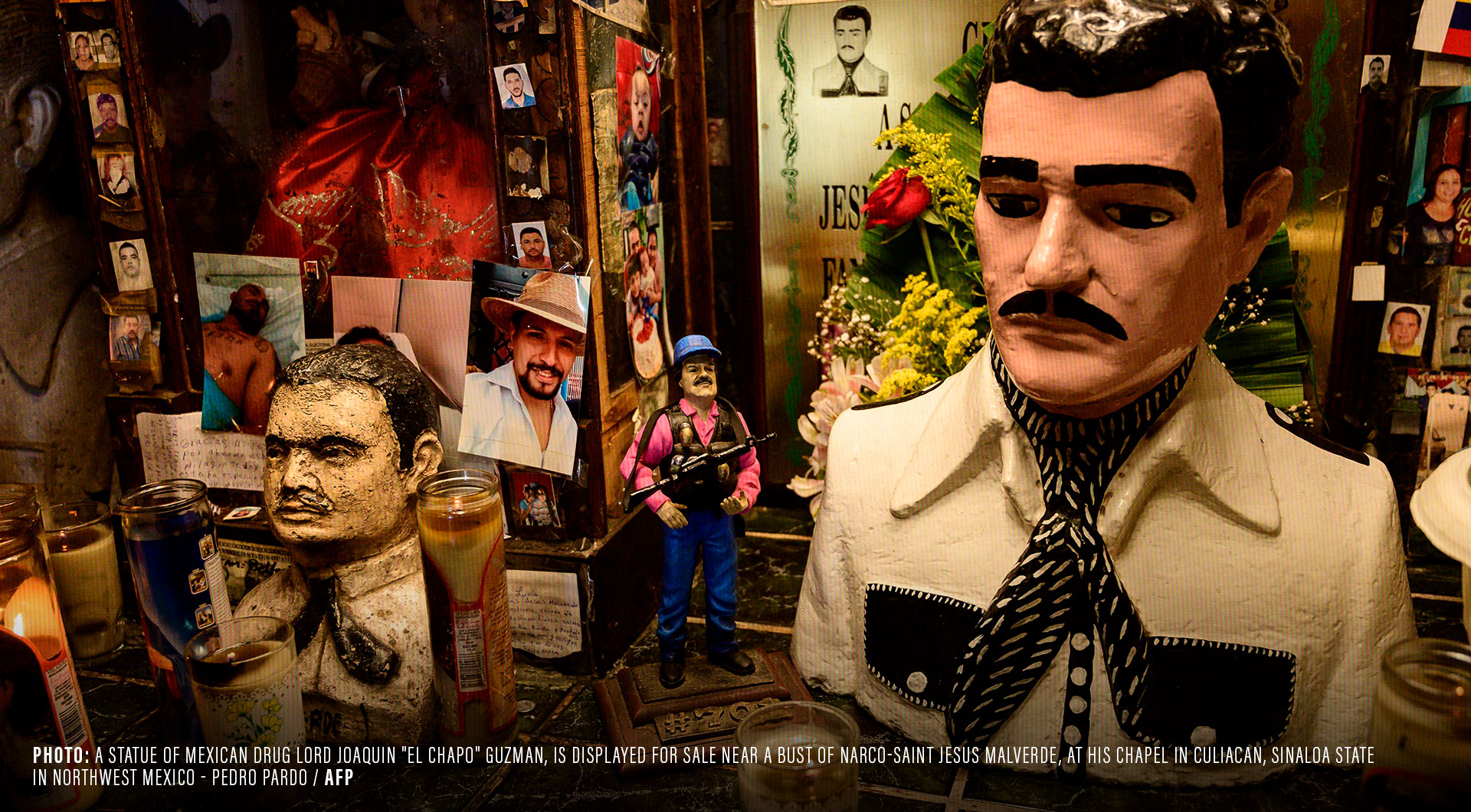 The second instrument is faith, discussed above as a recruitment tool and equally potent as legitimation, because a community that shares saints with its occupier finds resistance harder to imagine.
The third is generosity. Reporting on CJNG describes medicines, toys, and Christmas dinners distributed under the cartel’s rooster seal, filmed and shared on social media to cast the organization as a protector and provider in neglected communities.
Escobar built houses and paid school fees in Medellín two generations earlier. The Mexican pattern is patronage against the state, gifts stamped with a criminal logo precisely because the government’s absence is the point being advertised.
VENEZUELA: THE STATE THAT HANDED LEGITIMACY OVER
Every Mexican case shares one feature. The cartel competes with the state for legitimacy. The Venezuelan case removes that feature, leaving the model operating without resistance.
Two state policies prepared the ground. The pranato granted prison bosses de facto authority inside penitentiaries in exchange for limiting violence against the state; under it, Guerrero ran Tocorón from 2013 as a headquarters equipped, as documented in reporting by the Observatorio Venezolano de Prisiones and confirmed in the September 2023 raid, with a pool, a zoo, and a nightclub.
The zonas de paz policy, adopted the same year, withdrew security forces from designated areas, including San Vicente, to facilitate supposed dialogue with armed groups. The state did not lose these territories. It vacated them.
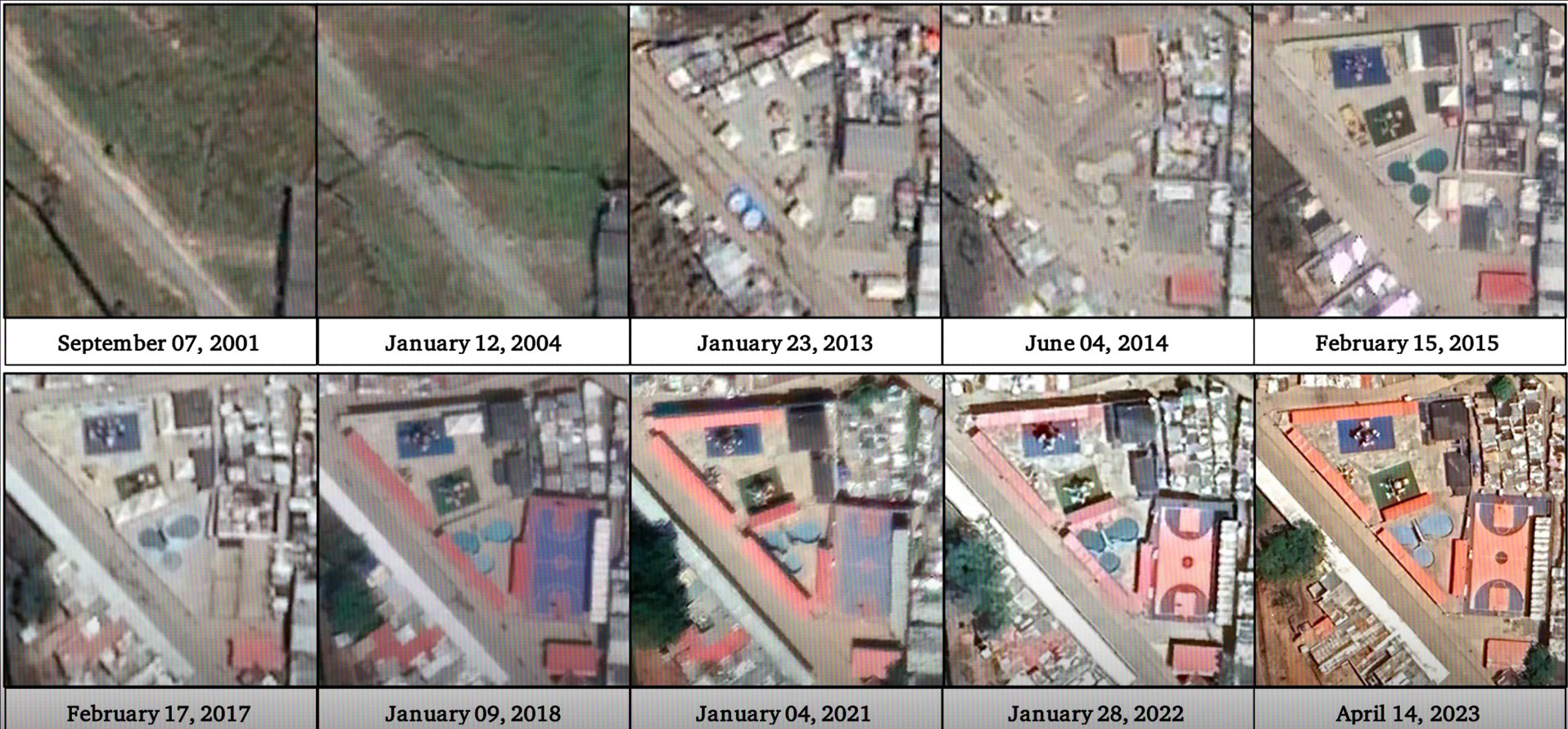 Into the vacuum, TdA inserted an institution. Fundación Somos El Barrio JK was legally registered in San Vicente; according to Transparencia Venezuela, which confirmed the detail with police sources and residents, the initials stand for Kleiverson, alias Flipper, the senior TdA lieutenant who managed community operations, and his wife, Jennifer De Sousa, alias la Catira.
The criminal authorship is written into the name. Transparencia Venezuela’s investigation documents a foundation of roughly 200 members coordinating 66 local CLAP committees, distributing the government’s subsidized food boxes, operating five community kitchens, running cleaning brigades, providing local security, and interfacing with consejos comunales and PSUV-linked grassroots structures.
The same investigation reports, with attribution to its sources, that extortion was collected under the foundation’s cover. Residents and observers described it as an alternate mayor’s office.
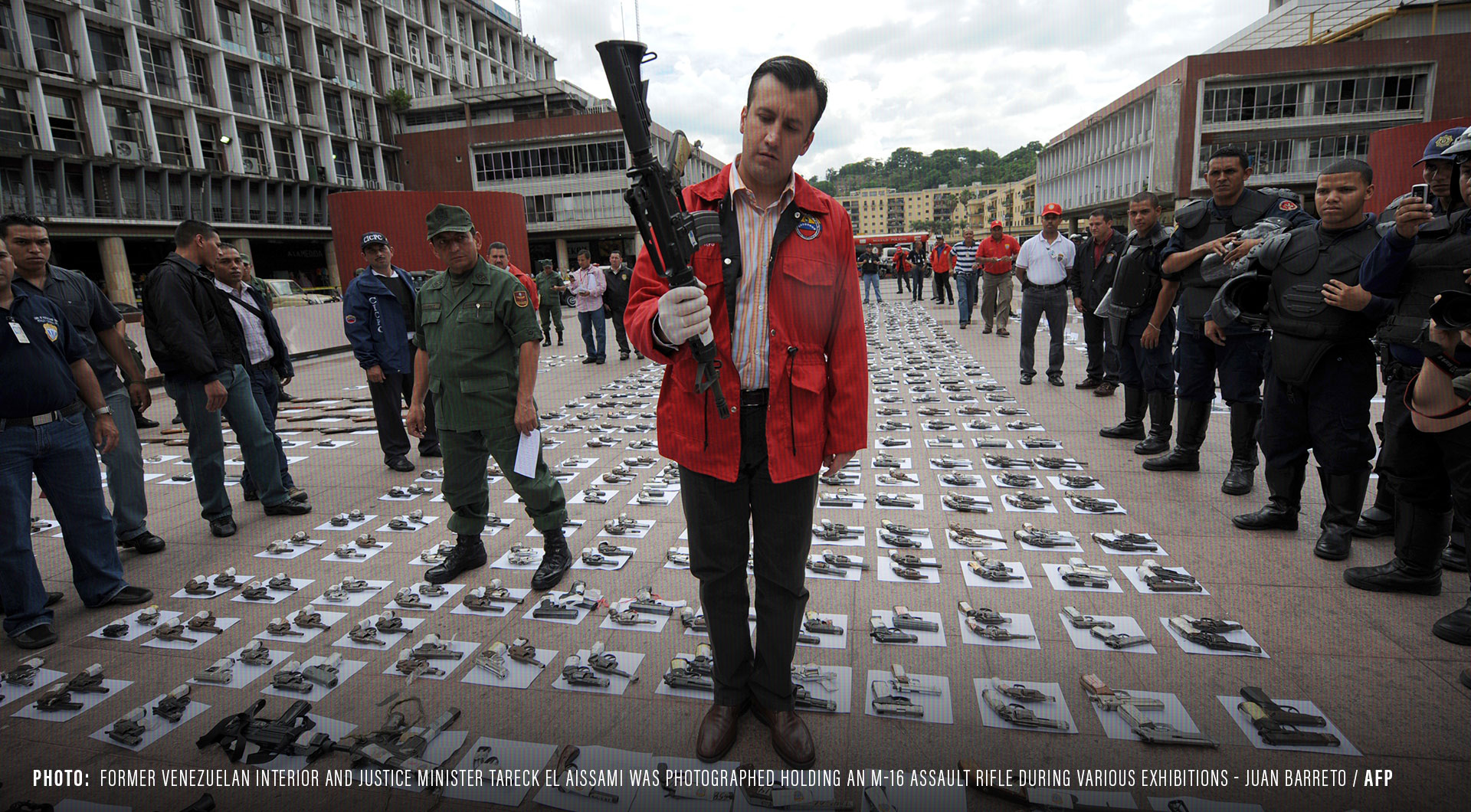
The state’s engagement was not covert. Then, the prisons minister made public visits to San Vicente to meet with the foundation, which was registered specifically to receive government resources. This unfolded while Tarek El Aissami, later interior minister and vice president, governed Aragua state.
SFS assesses that state resources flowed to the foundation as more than local accommodation, while noting that the direct causal link to the governorship remains an analytical judgment rather than an established record.
 The scarcity years completed the inversion. During the worst of the food crisis, goods were available inside Tocorón and through TdA channels; much of the merchandise was sourced from highway piracy when it could not be found in the formal market. Residents traveled to a prison to buy food. Dependence on the organization was not ideological. It was material, daily, and rational.
Three conclusions follow. First, the foundation institutionalized generosity. Where Escobar practiced personal patronage, TdA built a legal entity with members, committees, and a service portfolio. The gift became an administration.
Second, the legitimacy TdA acquired was partly transferred legitimacy, borrowed from the government programs it administered. CJNG stamps its rooster on toys in defiance of the state; TdA distributed the state’s own boxes with the state’s acquiescence.
Third, the case completes a typology. Criminal legitimization can proceed against the state, as in Mexico, alongside a weak state, as in Escobar’s Medellín, or through the state, as in San Vicente. The third mode is the most durable and the hardest to reverse, because dismantling the organization means dismantling the only functioning social administration the community has known.
THE DECAPITATION SEQUENCE AND ITS LIMITS
The formal record against TdA accumulated quickly. The U.S. Treasury designated it a transnational criminal organization in July 2024. The State Department designated it a foreign terrorist organization in February 2025, followed by individual SDGT designations in December 2025.
Guerrero Flores, who had been charged in the Southern District of New York, was killed in the June 2026 joint operation before any adjudication; the allegations in those charging documents remain allegations. SFS’s prior reports, The Fall of Niño Guerrero and Weaponized Chaos: The Rise of Tren de Aragua as Venezuela’s Proxy Force, trace the designation and enforcement arc in detail.
Decapitation works against a man. It has a poor record against a mechanism. The Mexican experience with kingpin removal produced fragmentation and franchise violence more often than dissolution, and the TdA case adds a harder problem, because in San Vicente, the thing to be dismantled was also the food distribution system.
A strategy that removes leaders without reoccupying the cultural and social space they governed converts each strike into a succession contest fought over an intact machine.
What to Watch: Successor factions’ cultural output. If franchise cells begin commissioning corridos, branding aid, or reviving foundation-style structures under new names, the machine has survived its founder. Financial intelligence units should track the small corporate and nonprofit registrations that follow, since San Vicente demonstrates that a legal wrapper is now part of the criminal toolkit.
CONCLUSIONS AND RECOMMENDATIONS
Narco-culture is the connective tissue between crime and terror in the hemisphere. It manufactures recruits, purchases legitimacy, and converts both into operational capability that, in turn, regenerates the culture. Mexico shows the machine running against the state.
Venezuela shows it running through the state, and shows how much harder reversal becomes once a population’s daily bread arrives with a criminal seal or, worse, a government seal administered by criminals. The June 2026 strike on Guerrero removed a founder. It did not answer the question his organization posed. Five measures would begin.
 Regional governments and donors should fund sustained counter-narrative work, in the vein of Mexico’s Turn Off Narcoculture movement, at a scale commensurate with the cartels’ content output, and pair it with physical protection for the civil-society organizations involved, since cartels systematically repress the groups they deem threats.
Platforms should be pressed, through existing trust-and-safety channels and regulatory leverage, to treat cartel recruitment content and fake job offers as they treat jihadist recruitment. Simultaneously, Colombia and its partners should build credible economic off-ramps for retiring soldiers, including certification pathways and wage bridges, to shrink the mercenary market from which cartels now hire.


