

 SFS Team
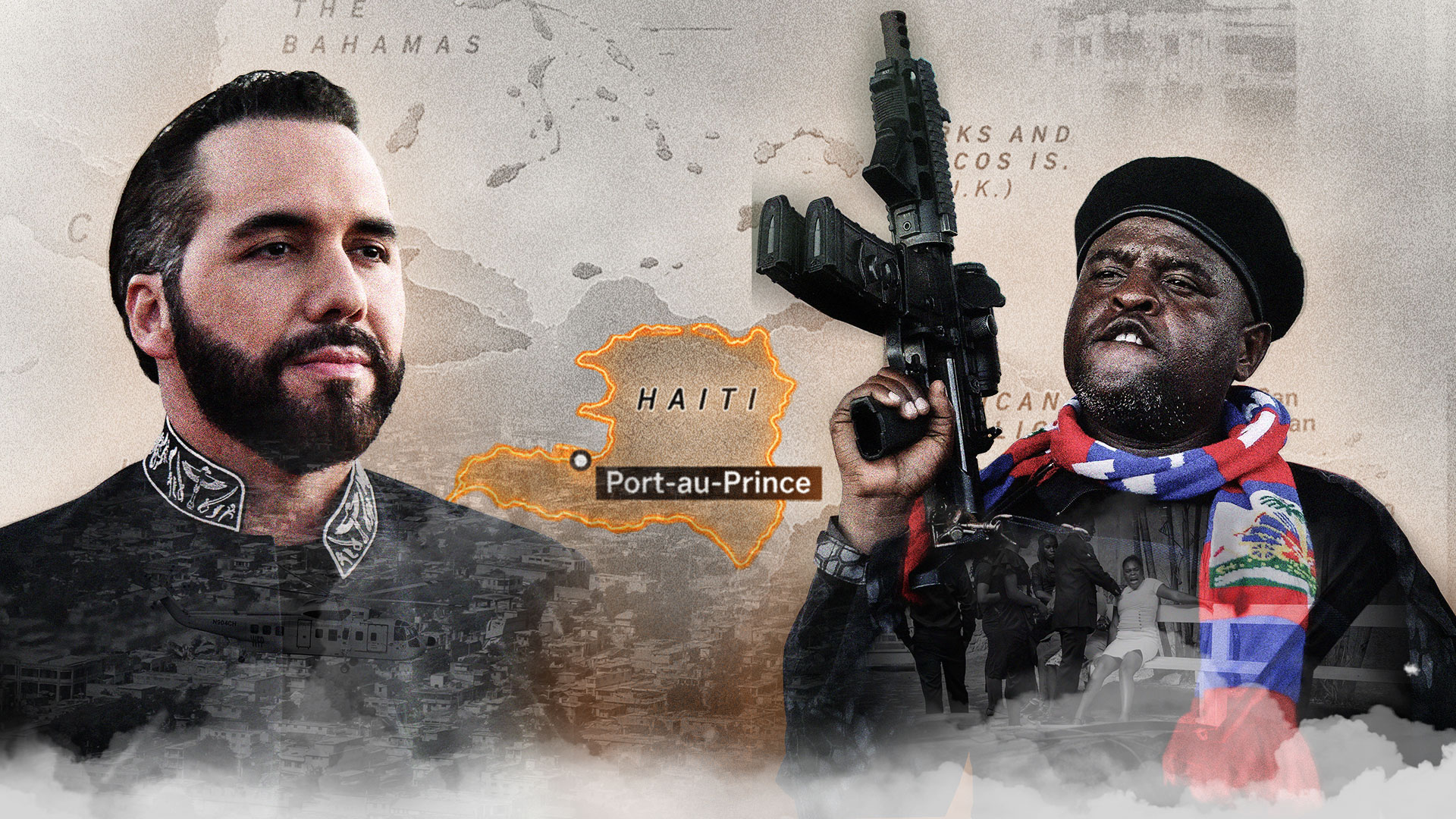
The Salvadoran offensive has created an opportunity to restore the Haitian state’s authority in areas where international missions have failed to sustain it.
Nayib Bukele’s decision to deploy troops, following the disappearance of four members of his contingent, has altered the scale of the response to the gangs. The challenge now is to use this military strength to dismantle a criminal insurgency that has learned to rule by force.
Haiti has reached its current situation through the prolonged erosion of state authority. Armed groups used by political elites gained financial autonomy and began to dictate the actions of their former sponsors. Extortion, kidnappings, and control over supply routes have allowed violence to be transformed into a permanent power structure.
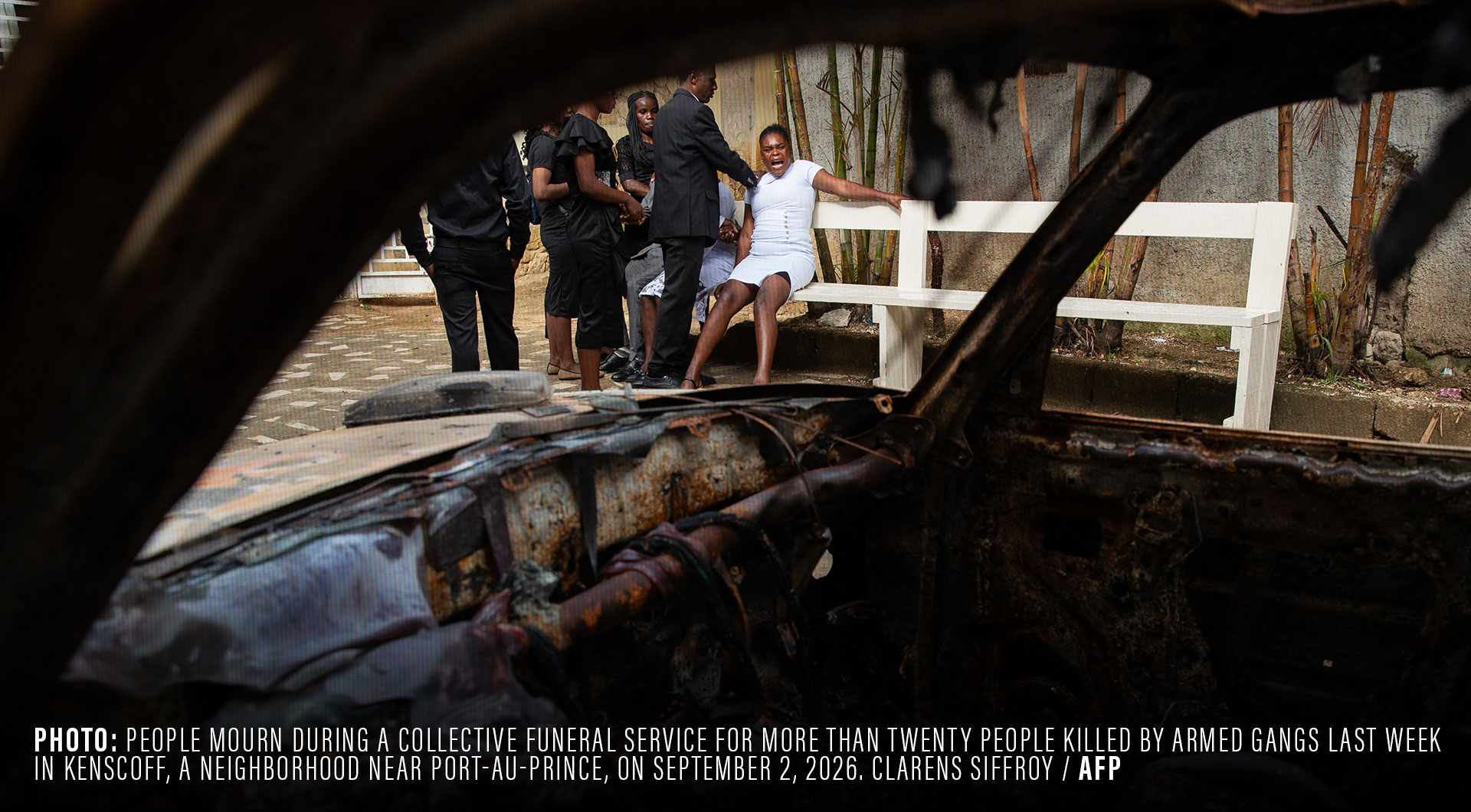 Institutional fragility is no longer merely a condition that fosters crime; it has become a resource that gangs maintain to prevent the reestablishment of an authority capable of confronting them.
The study A Strategic Opening: Fighting Haiti’s Criminal Insurgency, published by Florida International University in 2025 and co-authored with the SFS, described this transformation. Haiti’s major criminal groups began to assume governmental functions, imposing rules on movement and charging fees for access to economic activity.
In September of that year, the assessment indicated that criminal groups controlled approximately 85% of Port-au-Prince, as well as corridors in the interior. The formation of coalitions such as Viv Ansanm expanded their capacity to coordinate attacks and influence national decisions.
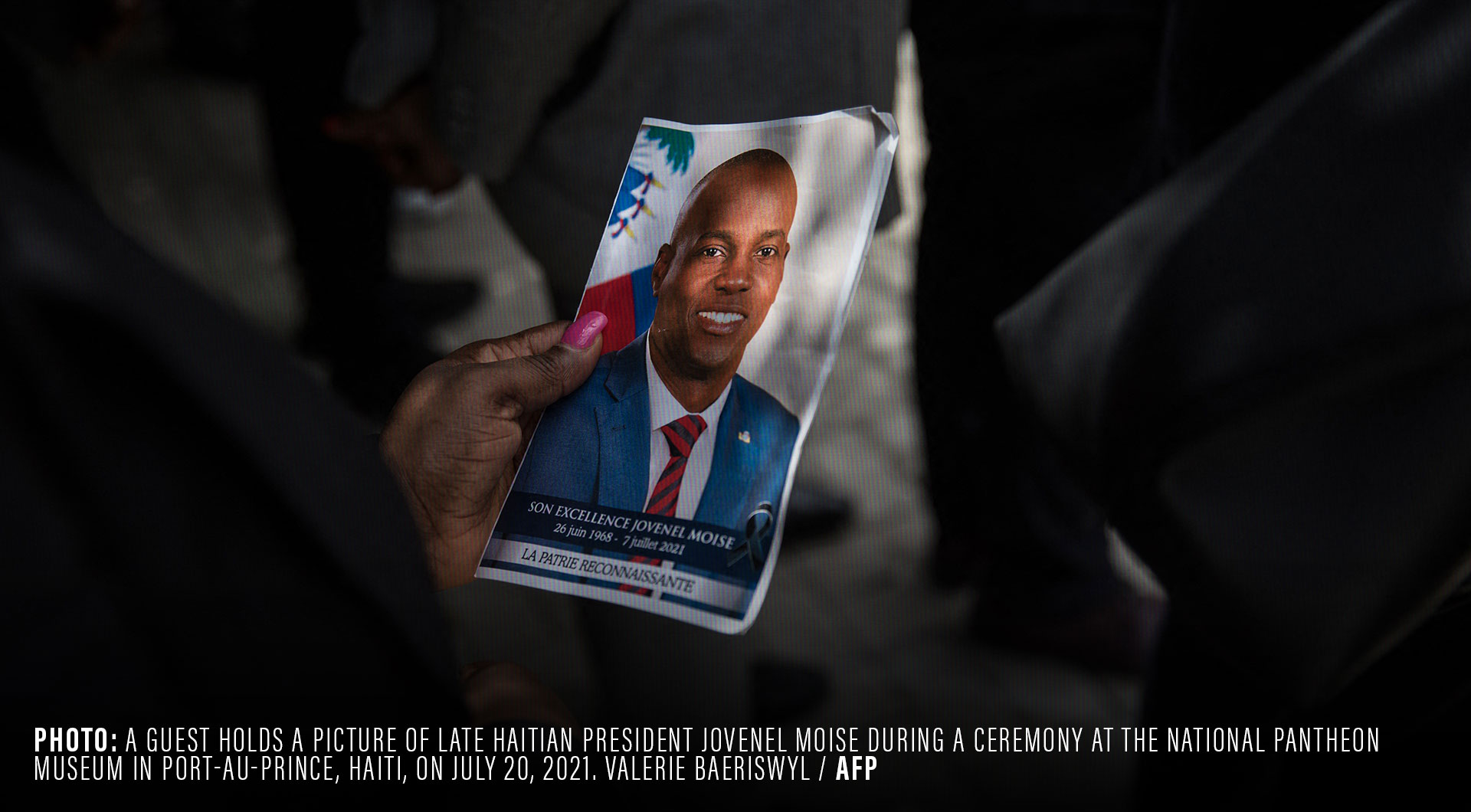
The assassination of Jovenel Moïse in 2021 deepened a political vacuum that transitional governments have been unable to overcome. With no national elections held since 2016, the country has lost the regular mechanisms for renewing its legitimacy.
At the same time, territorial losses have deprived the government of the means to carry out its responsibilities. The organization of elections, the distribution of food, and the provision of medical care came to depend on conditions that gangs could disrupt. The insurgency gained the power to veto the state’s recovery.
The succession of international missions failed to establish a Haitian institution capable of sustaining this presence and control over the territory. MINUSTAH, from 2004 to 2017, and the mission that succeeded it through 2019 were followed by further attempts at stabilization.
The Kenyan-led multinational force began arriving in 2024 with fewer personnel and fewer resources than planned. Its replacement by the Gang Suppression Force (GSF), authorized by the Security Council and logistically supported by the UN, acknowledged the need for a more proactive response. The gap between the mandate and the available resources, however, continued to limit its implementation.
BUKELE’S MODEL AS AN ALTERNATIVE?
The disappearance of four Salvadoran military technicians following the ambush on October 18, 2026, triggered a response that altered the scale of the foreign intervention.
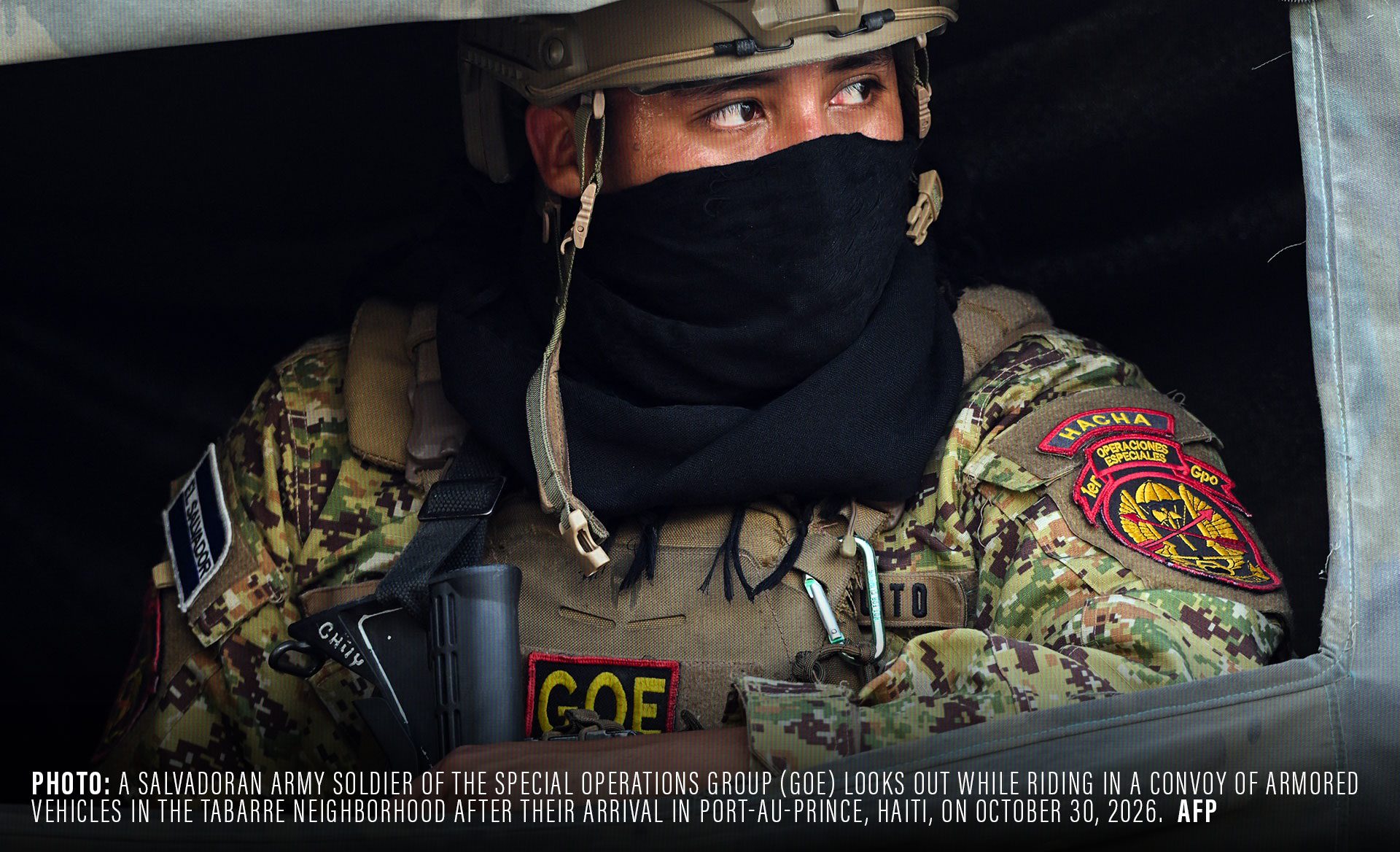
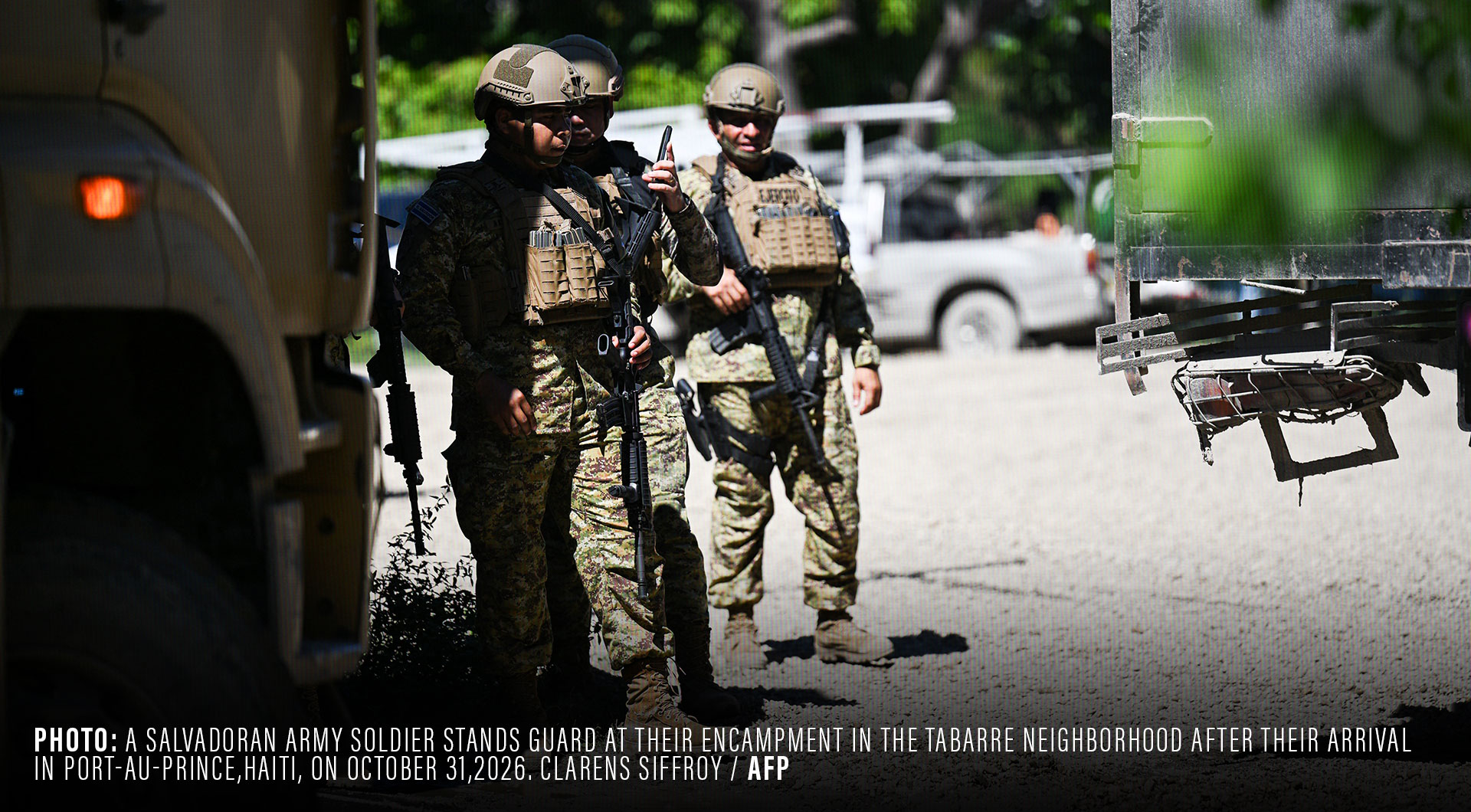 Bukele sent approximately 2,500 troops to Haiti, along with armored vehicles and air support. In about ten days, El Salvador mobilized a contingent comparable in size to the force that had taken the multinational force more than a year to assemble.
The rescue operation remained unfinished as of November 11, but the response was no longer dependent solely on the resources available to the international mission.
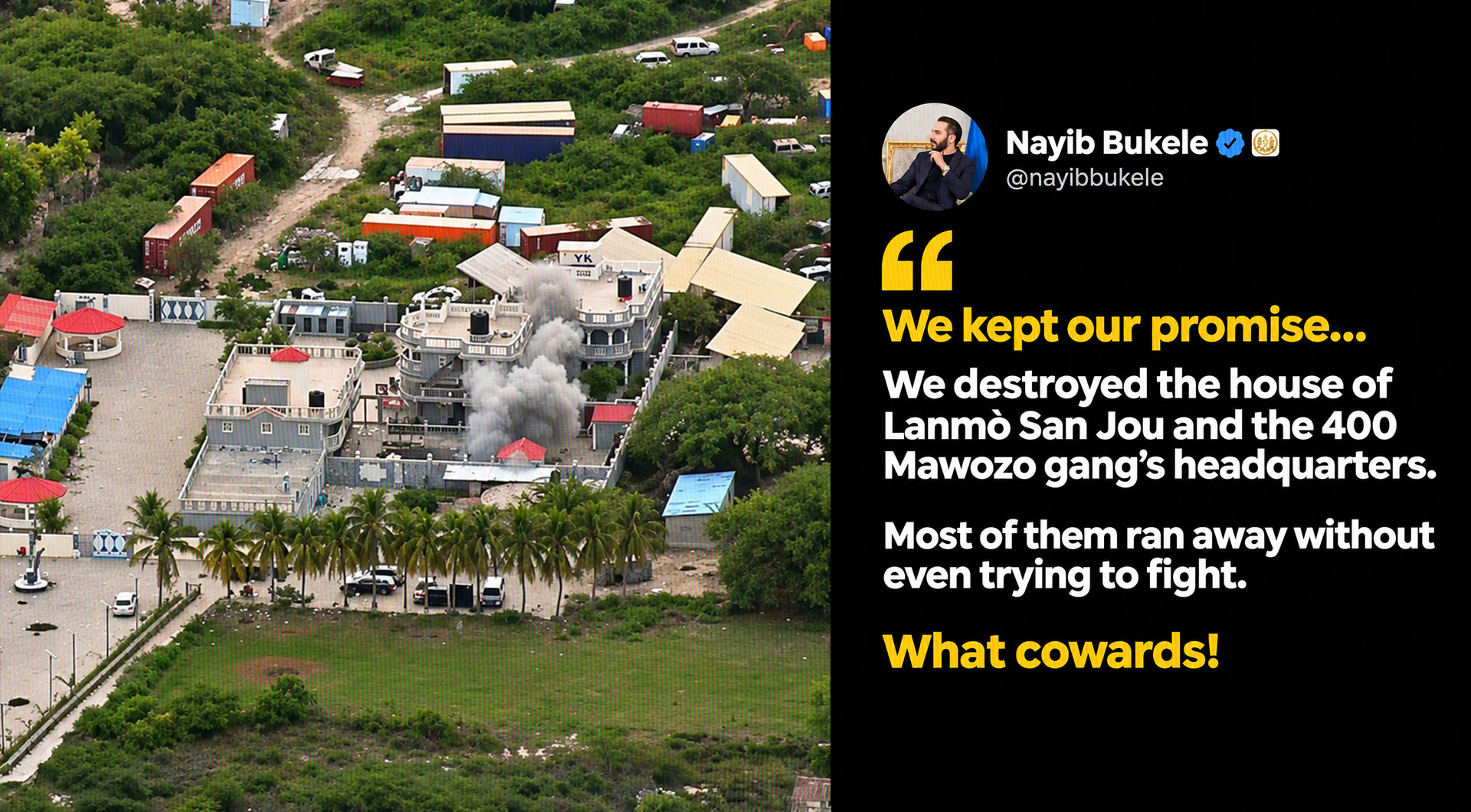
Joint operations with Haitian forces have already reached the area of the ambush and positions associated with 400 Mawozo. The attack on the property identified by Bukele as Wilson Joseph’s residence and headquarters struck at a symbol of power for one of the country’s leading organizations.
Joseph’s appeal for UN mediation, amid intensifying fighting, also reveals that military pressure has become a factor in the political calculations of the criminal leadership, which has begun seeking channels of communication with Haitian authorities to secure a truce.
Bukele’s approach makes the loss of the gangs’ armed control over territory a condition for ending the conflict. The Haitian government has welcomed Salvadoran troops and joined operations against the groups that have displaced its authority. Sustained pressure must now help Haitian police hold recovered areas and protect residents who refuse to submit to gang rule.
A settlement that leaves criminal leaders with their weapons and territorial power would preserve their ability to obstruct the government’s return.
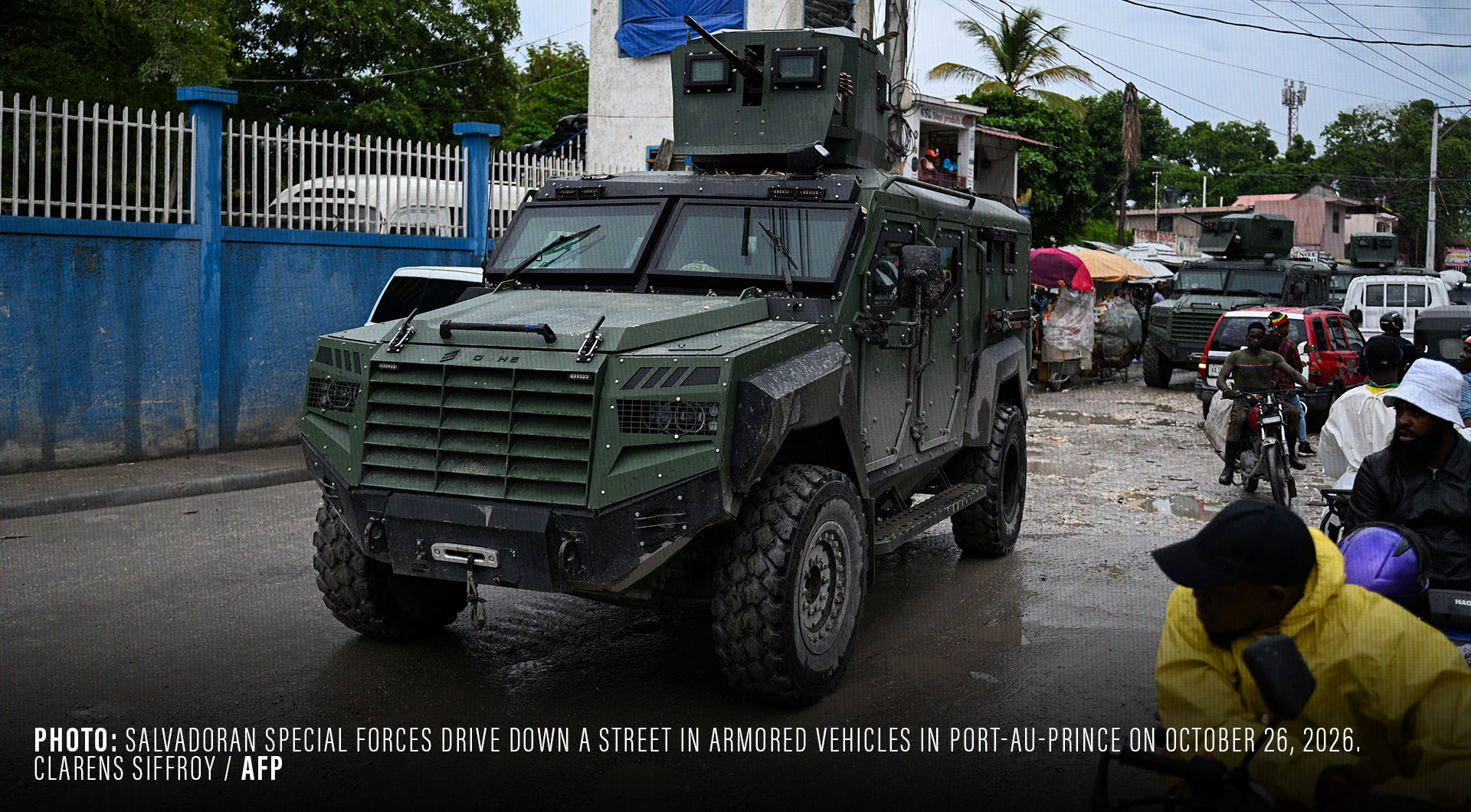 The receptiveness of certain segments of the population shows that some residents see the Salvadoran presence as a chance to escape gang control. Cooperation with El Salvador serves Haiti’s interest in restoring Haitian sovereignty.
Its success should be measured by the authority returned to Haitians over their own territory and by the possibility of living without having to seek permission from a gang. With Port-au-Prince’s support, Salvadoran forces can help the Haitian police retake neighborhoods controlled by gangs. Residents will be more willing to cooperate if they believe they will be protected after the troops have left.
For regional partners, this gives their support a concrete purpose: to sustain the offensive and equip the Haitians to hold their ground.
REGIONAL STRATEGIC INTEREST
The involvement of the United States and the Dominican Republic fosters a regional coalition capable of sustaining the offensive.
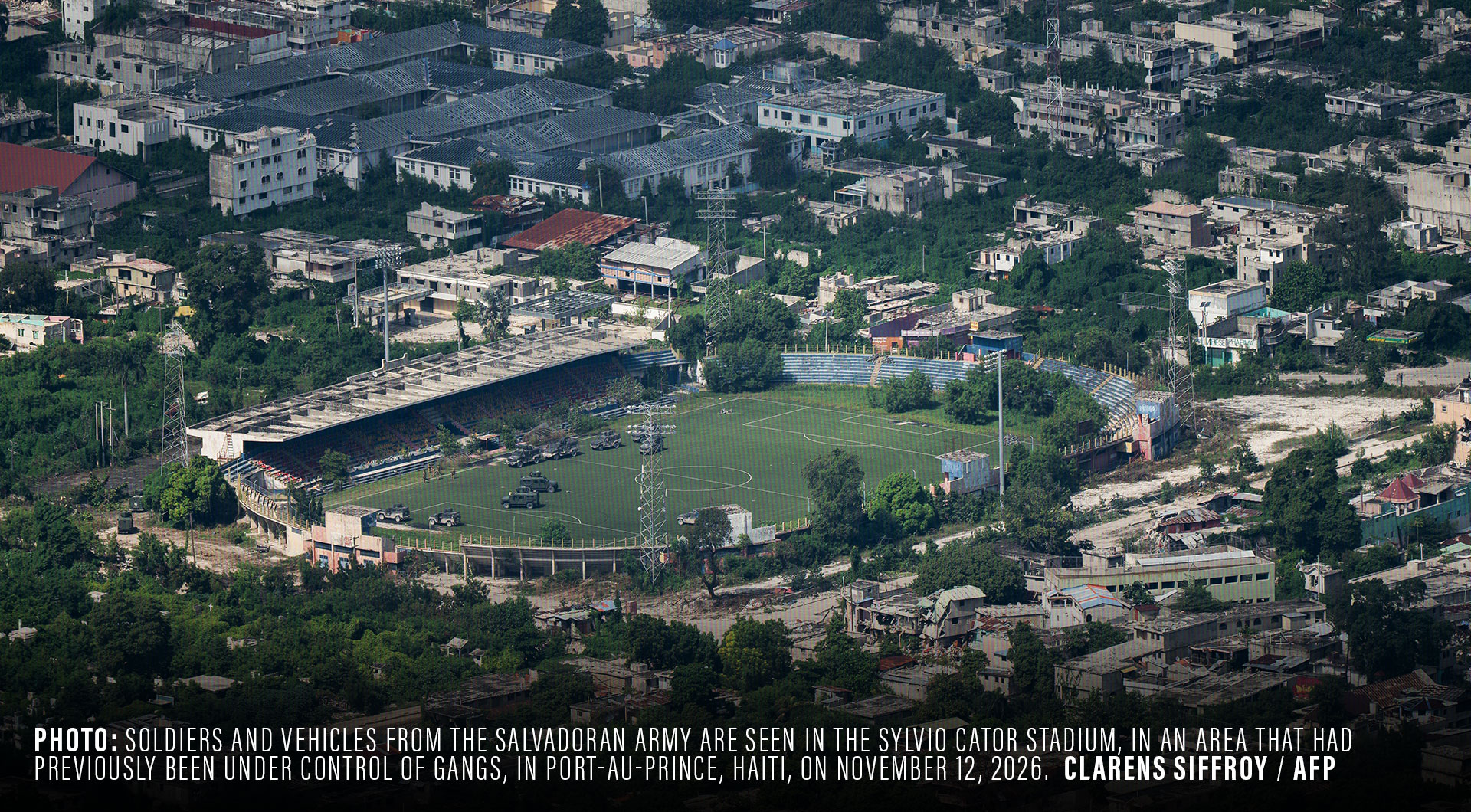 Washington has helped with the transportation of military personnel. Santo Domingo provides intelligence and logistics for an operation that directly affects its border security. El Salvador has substantially reinforced the combat effort. The combination of these resources can help share costs and extend the operation beyond what San Salvador could achieve on its own.
For Washington, Haiti’s recovery reduces the scope for criminal networks to expand near its territory and promotes a response led by regional partners. For Santo Domingo, strengthening the neighboring state complements the protection of its own border. The GSF and UN support mechanisms can help provide scale and continuity to the effort. Coordination among these structures should maintain the momentum demonstrated by El Salvador and ensure that available resources sustain territorial recovery.
A mission launched to recover four missing personnel has opened a broader strategic opportunity for Haiti. But the “Bukelization” of the anti-gang strategy has its limits. El Salvador is bearing most of the deployment’s costs, and the search for the four missing soldiers may not justify a long-term presence. Given this, Bukele’s response to the Haitian insurgents should be viewed as a starting point and must be supported by allies in the region.
 Pulling back before consolidating the gains would allow the gangs to turn their survival into a political victory. Residents who collaborated with security forces would be left exposed, and the expectation of another withdrawal would reduce their willingness to cooperate.
The insurgency could reorganize its forces and resume extortion in the abandoned areas. The cost of reentering these areas would be higher, because the criminal groups’ continued presence would have eroded some of the trust necessary for the state to regain control.
Moving forward requires incorporating the long-term presence of Haitian forces into the planning of the offensive itself. The police must have the resources to maintain the recovered checkpoints. Protecting supply routes must allow markets and services to function without armed intermediaries.
The custody of detainees and the functioning of the justice system must prevent operations from merely shifting the problem to institutions incapable of handling it. With this support, the government can begin to exercise functions that were previously under the control of the gangs.
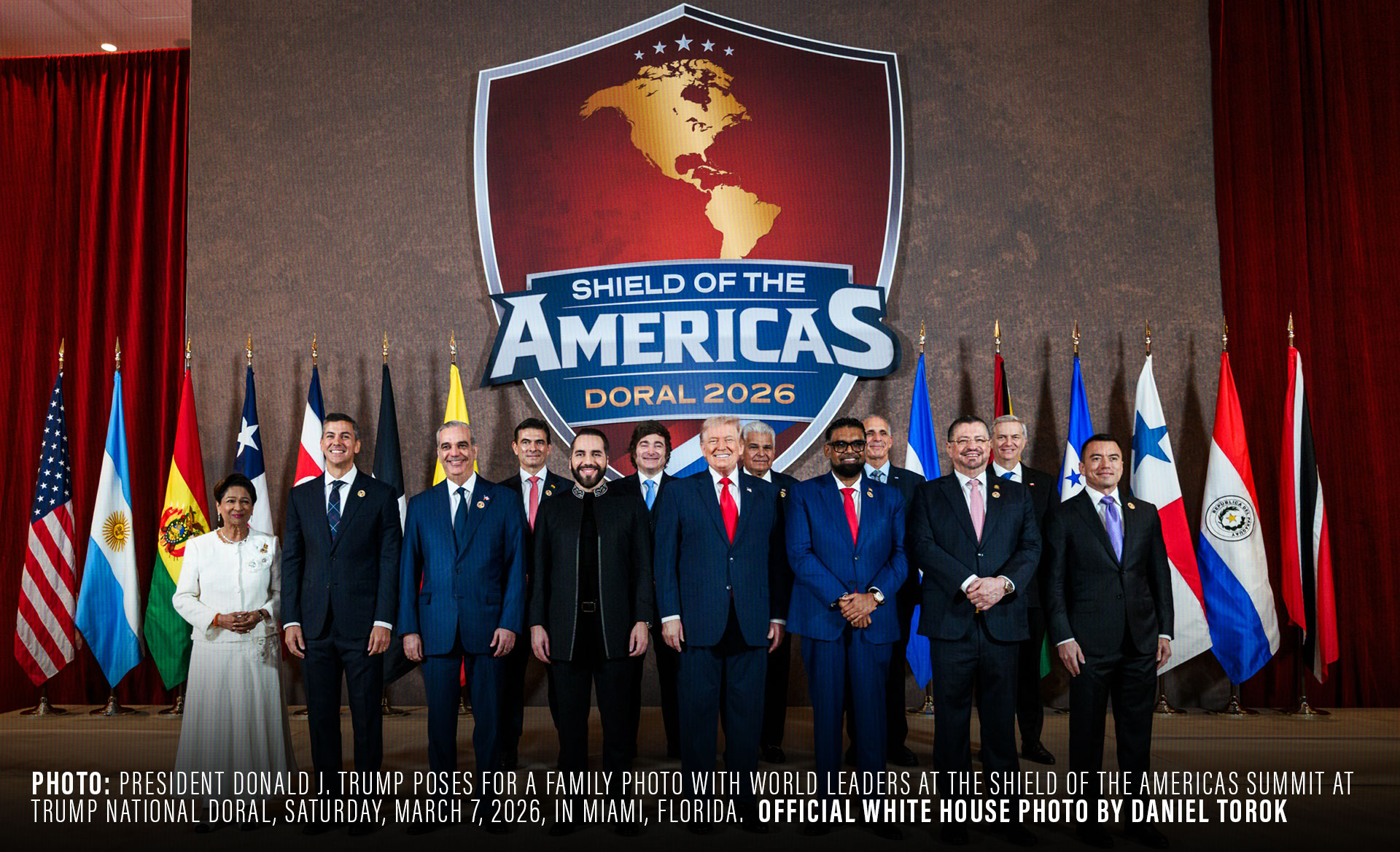 SFS recommends that the United States and regional allies – especially those participating in the Shield of the Americas initiative – back the joint Haitian-Salvadoran effort and support the permanent deployment of Haitian forces, with international backing, in the areas that have been secured.
The offensive offers an unexpected alternative to a crisis that seemed endless. The effort must continue until the gangs lose the power to dictate where the government can operate. This outcome would allow Haiti to begin rebuilding its sovereignty based on effective control of its own territory.


