

 SFS Team
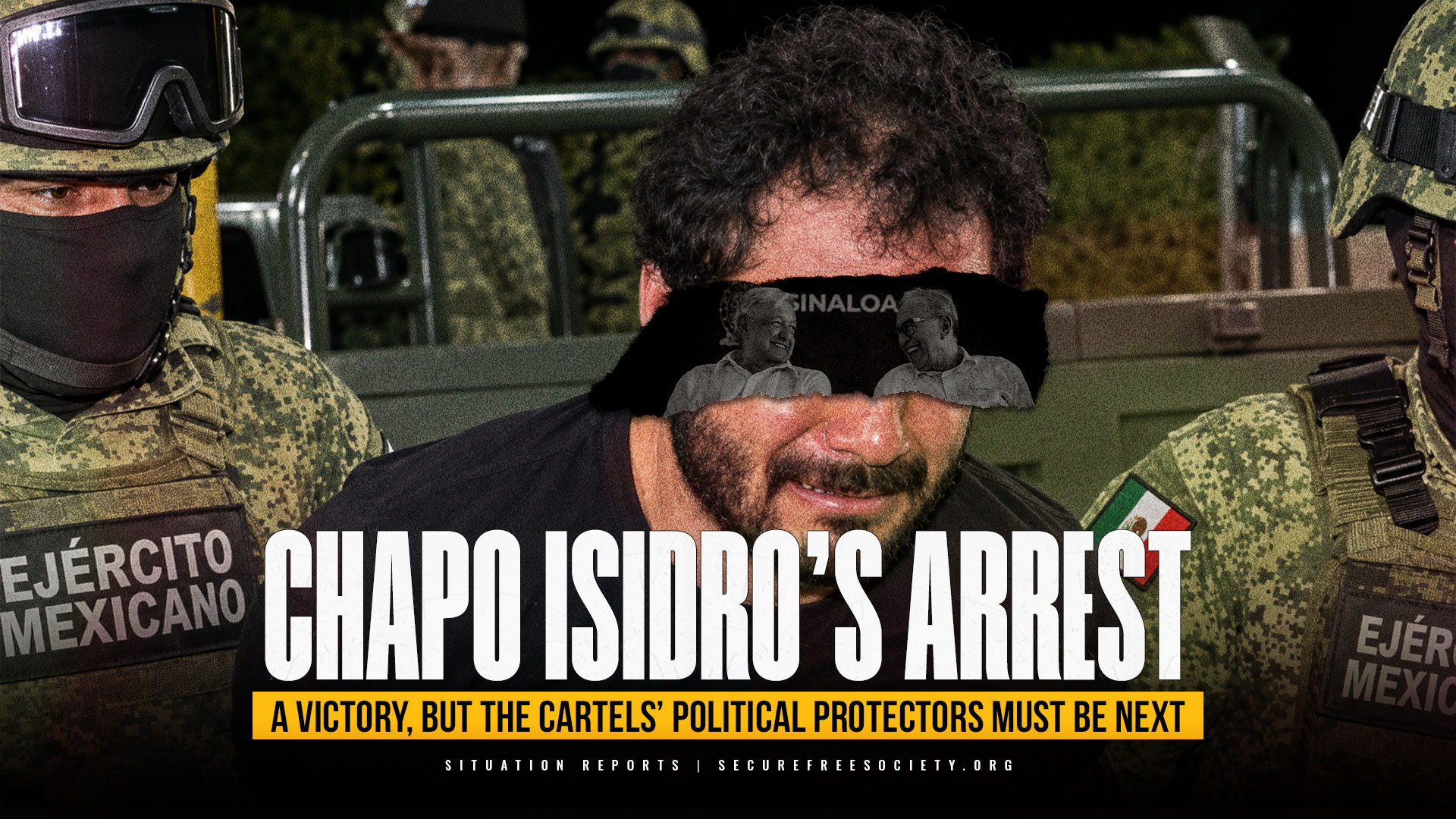
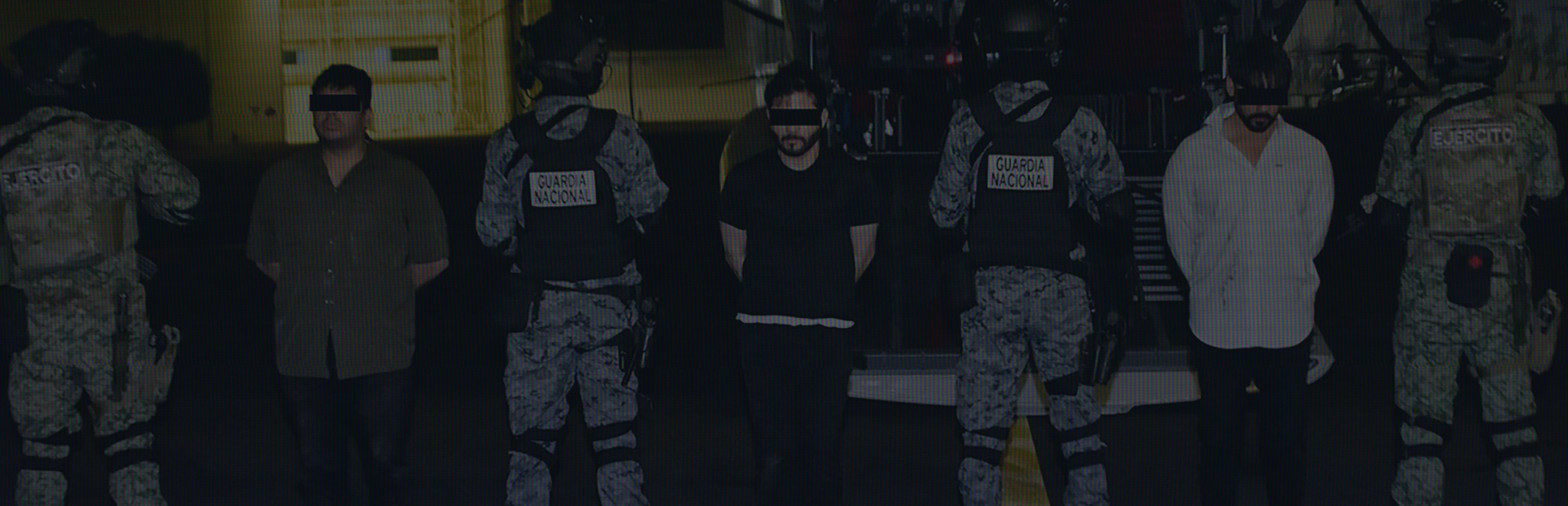
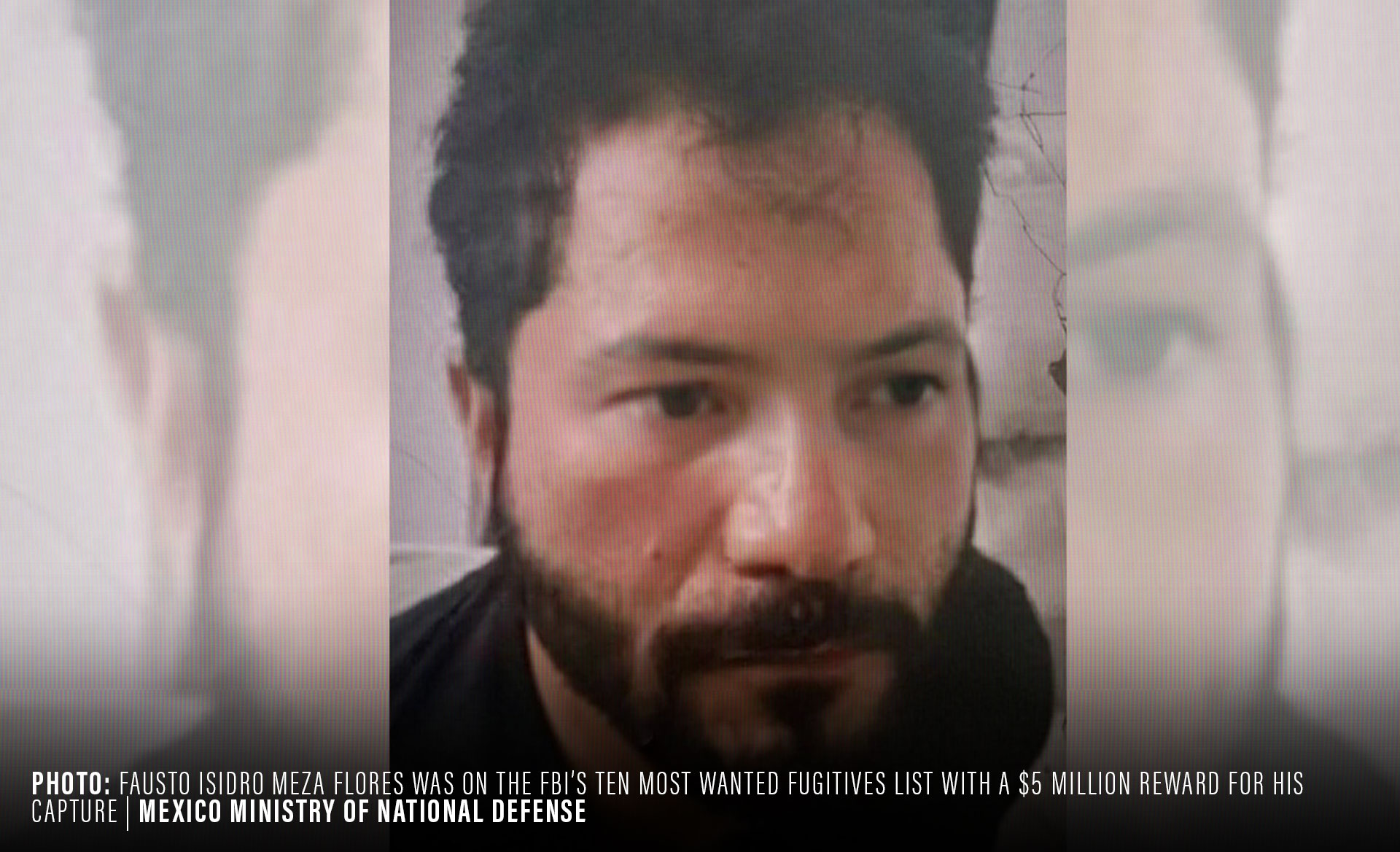
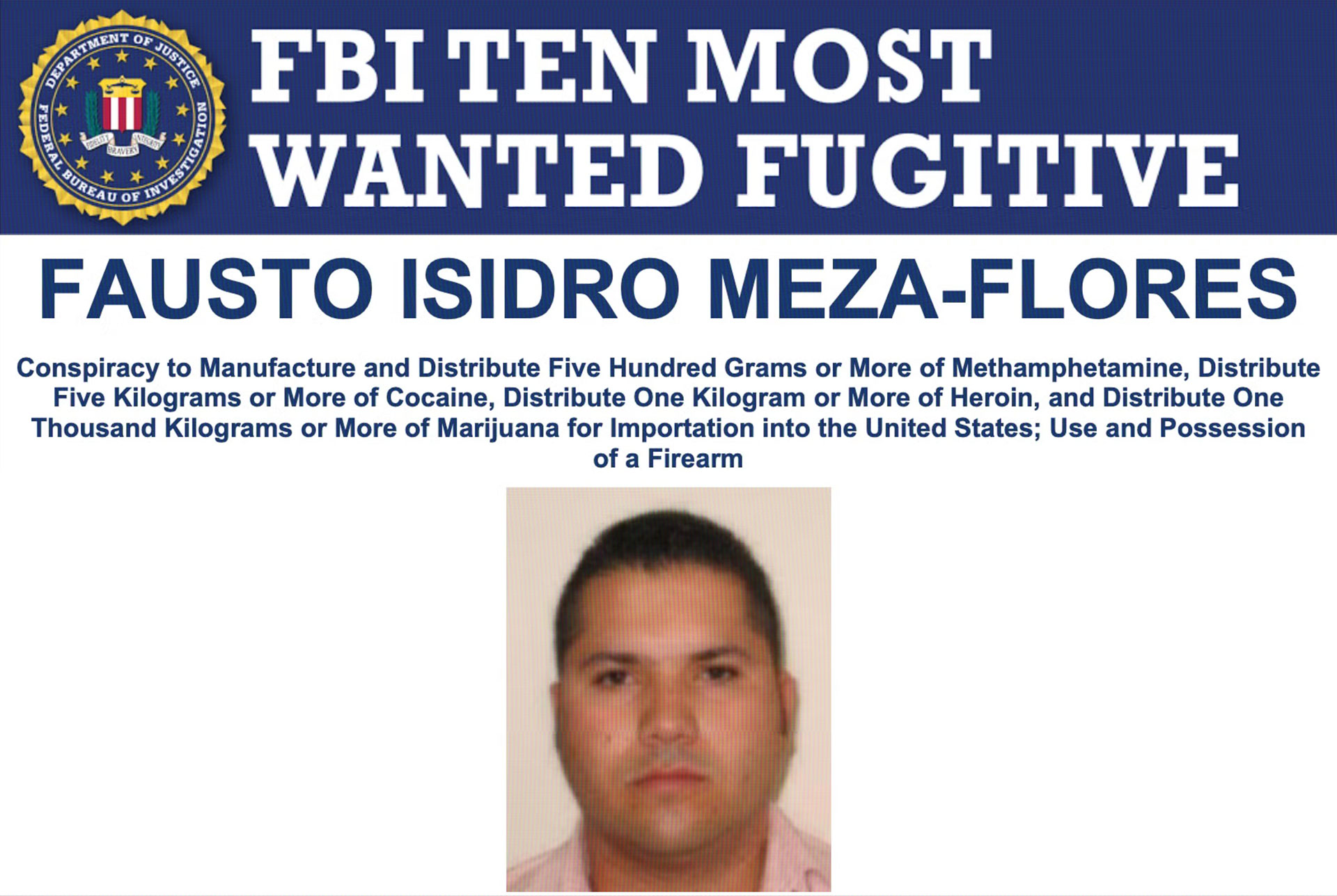
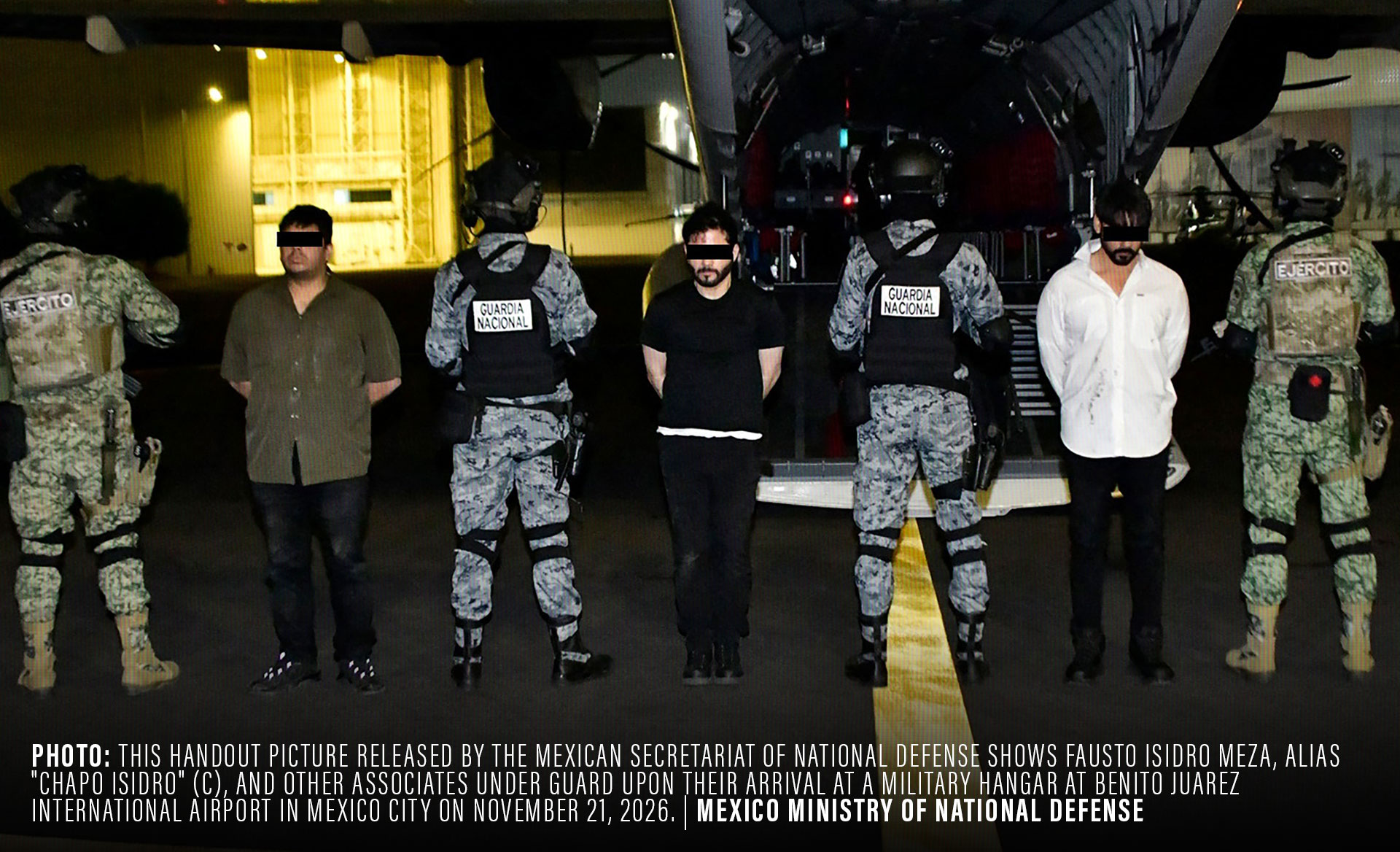
The capture Fausto Isidro Meza Flores, known as Chapo Isidro, marks an important victory for Mexico and for U.S.–Mexico cooperation. The organization’s second-in-command and a financial operative were also captured.
The operation simultaneously struck the narcoterrorist group’s leadership and part of its financial management structure.
Chapo Isidro led one of the main surviving factions of the Beltrán Leyva organization, which broke with the Sinaloa Cartel in 2008 and maintained international trafficking networks under new leadership. His group was allied with Los Mayos in the war against Los Chapitos, the faction led by El Chapo’s sons.
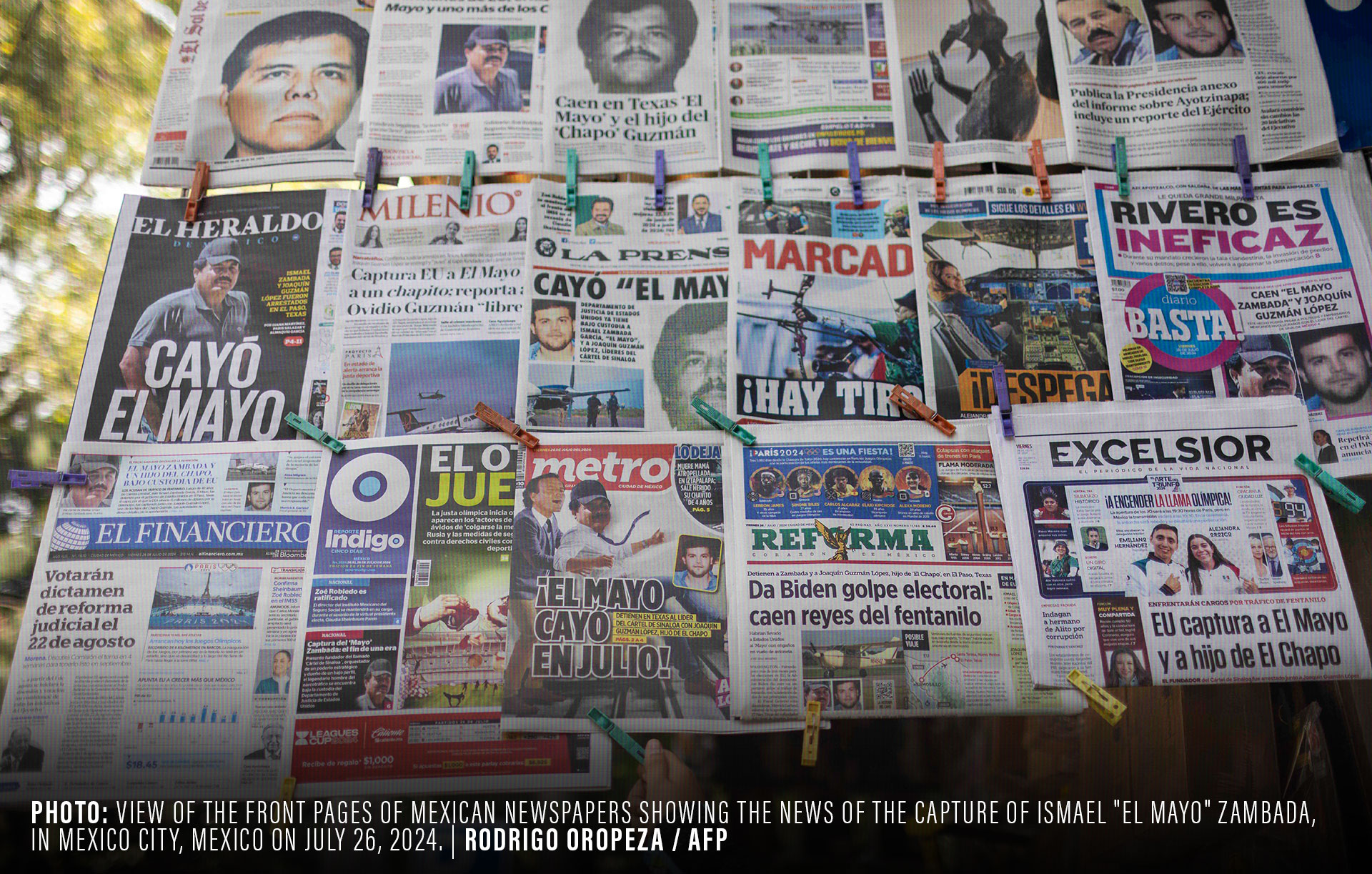
 The conflict was triggered by an act of betrayal by Joaquín Guzmán López, one of those sons. On July 25, 2024, he kidnapped Ismael “El Mayo” Zambada, co-founder of the Sinaloa Cartel, and took him to the United States, where both men were arrested. Fighting between the factions began in September of that year.
Los Mayos, also known as La Mayiza, came under the command of El Mayo’s son, Ismael Zambada Sicairos, known as “Mayito Flaco.”
 Under Chapo Isidro’s leadership, the organization added fentanyl to its drug trade, significantly increasing the supply of the drug that was the primary driver of the U.S. epidemic of fatal overdoses. The subsequent alliance with Los Mayos demonstrated its ability to renegotiate relationships and maintain its territorial influence and operational capacity.
His arrest is a victory in the fight against drug trafficking, but it does not prevent the narcoterrorist organization from continuing to operate. A chain of command remains in place, with successors already holding logistical and financial leadership positions.
Chapo Isidro’s arrest clearly disrupts relationships and imposes costs, but the remaining members have the capacity to respond and reorganize the cartel. The arrest or death of cartel bosses is cause for celebration. But if trafficking routes, financing, and official protection remain available, so does the economic incentive to take command.
 The next step depends on whether Mexican authorities are willing to arrest politicians at the highest levels of power who help sustain the cartels. The protection these public officials provide has concrete consequences: criminals receive information about investigations, drug shipments move through areas patrolled by police, and security decisions are subordinated to drug traffickers’ interests.
As long as this collaboration remains available, arresting a leader can change who benefits without eliminating the service that enabled the organization to expand.
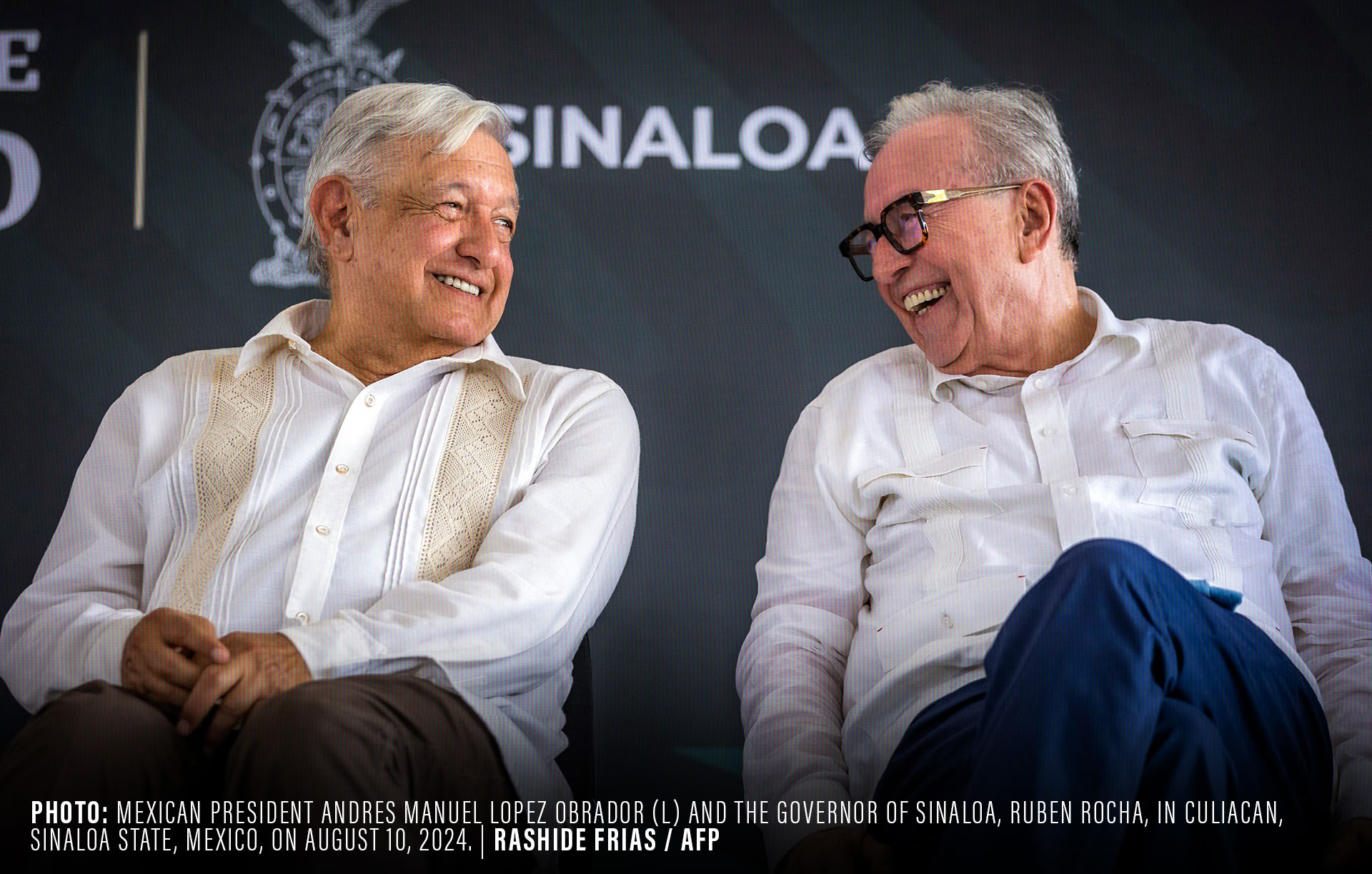
The case of former Governor Rubén Rocha Moya is a clear example. In April 2026, the U.S. Department of Justice charged the then-governor of Sinaloa and nine other current and former officials with participating in a drug-trafficking conspiracy.
The indictment alleges that Los Chapitos helped secure his election through intimidation and kidnappings in exchange for protection. It describes officials who allegedly blocked arrests, passed along police and military information, and protected drug shipments. The case puts government services essential to sustaining criminal operations under investigation.
During a recent field research trip to Mexico, the Center for a Secure Free Society (SFS) found that the cartels’ greatest strength comes not from weapons or territorial control, but from the complicity of political actors.
Many are elected officials or members of the judiciary who, in exchange for electoral and economic benefits, provide the cartels with an extensive protection network.
SFS RECOMMENDS
However, that cooperation expand to include the arrest, prosecution, and extradition of political leaders involved in the cartels’ business.
In Rocha’s case, this means acting on the charges, gathering the necessary evidence, and facilitating extradition through existing procedures. The political power of those under investigation must not determine how far the investigations go. The willingness to bear that cost will be an indication of Mexico’s commitment to dismantling these organizations.
The Mexican government should be commended for its openness to international cooperation with the United States, which has enabled operations such as the one that led to Chapo Isidro’s arrest.
Yet it is also essential to recognize that anti-cartel efforts must evolve to dismantle two of the cartels’ central pillars: political protection and money laundering.
 In SFS’s assessment, seizing assets and disrupting the cartels’ day-to-day financing are distinct objectives. An organization can lose real estate and still continue paying suppliers, gunmen, and corrupt officials.
Cooperation must reach the intermediaries who convert proceeds from U.S. drug sales into funds available in Mexico.
Some of these services may support rival factions, allowing their disruption to affect multiple networks simultaneously. Results should be assessed by how difficult it becomes to restore payments and finance the resumption of operations.
Chapo Isidro’s arrest demonstrated the value of bilateral cooperation. The challenge now is to maintain that determination when investigations reach officials capable of interfering with the state’s own response.
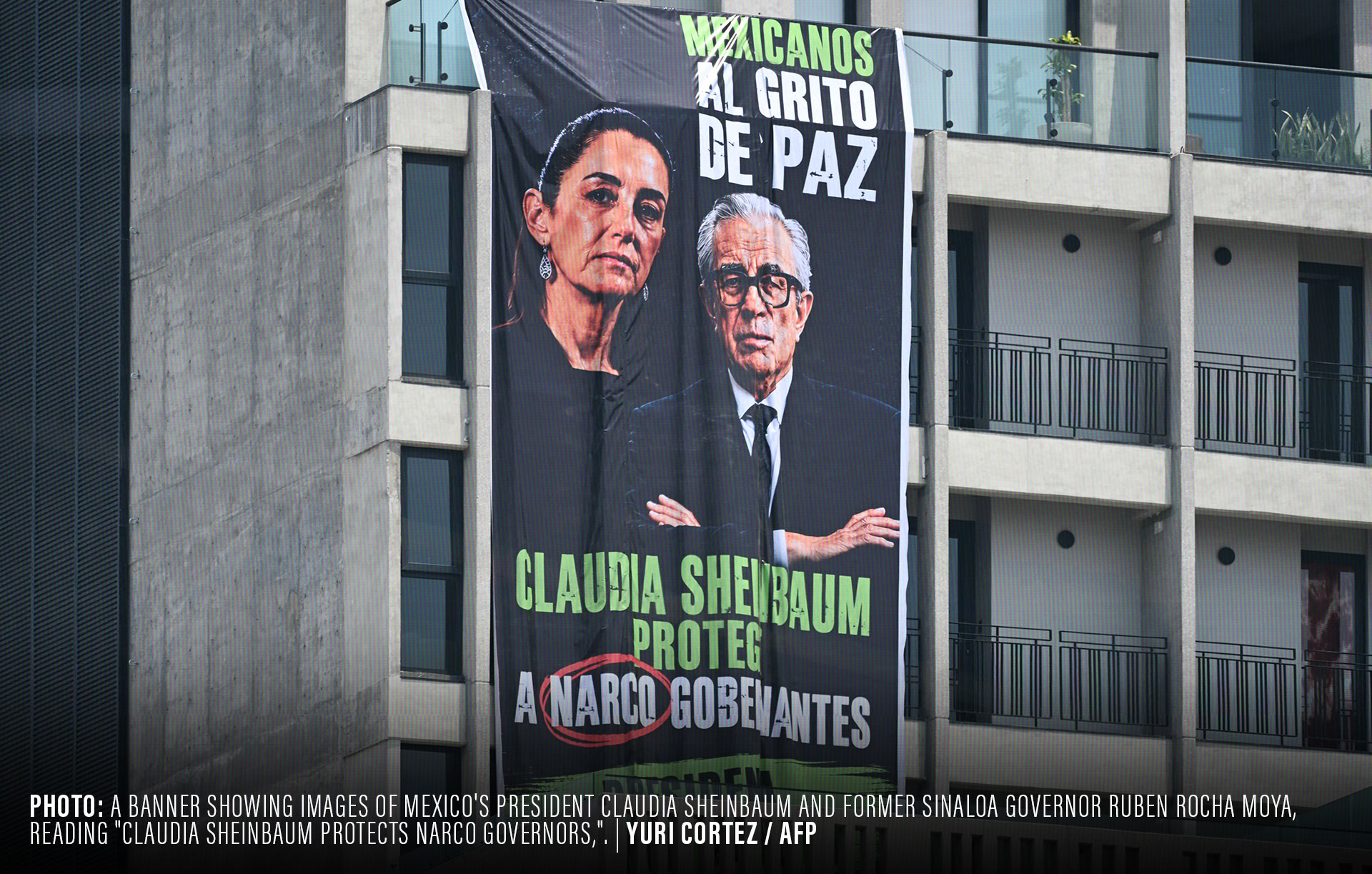
Pursuing cases such as Rocha Moya’s requires confronting interests within Mexican institutions and ensuring that public officials face criminal consequences, including extradition, for their participation in drug trafficking.
President Claudia Sheinbaum’s government must bear that political cost, even if that means holding members of her own party, Morena, accountable.


